Impact investing makes a bold claim: that capital can earn a return and do measurable good at the same time. Whether, and when, that's true is exactly the interesting question, and it hinges on how honestly impact is defined and measured. Reading in order builds the vision first, then the rigor to hold it accountable.
The path moves from the founding case, to measurement, to practitioner method, to the systemic critiques that keep the enthusiasm grounded.
The vision
Start with The Power of Impact Investing by Judith Rodin, a clear introduction from a leader of the movement, and Investing for Good by Felix Oldenburg for the practical case. The Responsible Investor by Tim Mohin adds the corporate-responsibility view that impact capital pushes on.
Measuring impact
This is the crux. Measuring and Improving Social Impacts by Marc Epstein is the serious treatment of the hardest problem in the field: proving that good was actually done. Read it slowly, because a claim of impact you can't measure is just marketing.
Method and critique
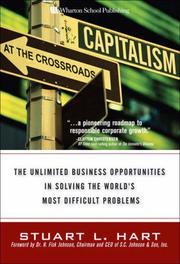
Now the how and the hard questions. The Social Entrepreneur's Playbook by Ian MacMillan and The Impact Investor by Cathy Clark cover building and running impact ventures, while Capitalism at the Crossroads by Stuart Hart and Blended Finance in the Private Sector by Convergence address market-based approaches to poverty. For the big-picture stakes, The age of sustainable development by Jeffrey Sachs and Mission Economy by Mariana Mazzucato argue for reshaping the system itself, and The Conundrum of Sustainable Finance by Paul Watchman supplies a needed skeptical check.
A plain caveat: impact investing carries ordinary financial risk of loss, and 'impact' claims vary widely in rigor. If the poverty-finance angle draws you, the related microfinance path continues the thread. Follow the full reading path to read it in order.
Follow the full reading path →
Ready to learn something deeply?
Build a reading path — free