Electrical work is the one home project where a mistake can start a fire or stop a heart. That reality is exactly why a reading order matters: you want theory before technique, and the code alongside both. These books teach you to work safely and to know the line where a licensed electrician and a permit are not optional. Books complement a professional, they do not replace one, and local code always governs.
The path starts with how electricity behaves, moves to hands-on projects and whole-house wiring, then to the reference books and the code, and closes with troubleshooting. Here is the sequence.
Understand electricity first
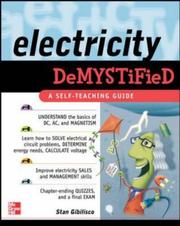
Never wire what you do not understand. Electricity Demystified by Stan Gibilisco builds the mental model, voltage, current, resistance, circuits, so that later instructions are not just steps to memorize but decisions you can reason about. This first book is what separates a safe DIYer from someone copying a diagram.
Learn the projects and the whole house
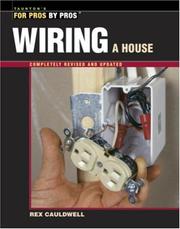
With theory in place, get practical. Wiring a house by Rex Cauldwell is a respected, safety-first walk through residential work by a master electrician who explains the why behind each rule. Wiring: Complete Projects for the Home by John Warde and Black and Decker the Complete Photo Guide to Wiring 8th Edition both give clear, photo-driven, project-by-project instruction, switches, outlets, fixtures, so you can match a task to a proven procedure.
For the systematic view, Electrical wiring, residential by Ray Mullin is the standard course text that ties every circuit into a coherent whole-house plan, the book that turns a set of tasks into an understanding of the system.
Keep the code and references at hand
Two books belong on the bench. Ugly's electrical references by George Hart is the pocket field guide of formulas, tables, and conductor sizes that pros actually reach for. Illustrated guide to the National Electrical Code by Charles Miller makes the code readable, translating the requirements that keep the work legal and, more importantly, safe.
Because so much of home electrical work is repair, not new installs, close with Troubleshooting and repairing major appliances by Eric Kleinert, which extends your skills to diagnosing the devices those circuits feed.
Read in this order, theory, projects, system, code, repair, you build the judgment to know both how to do the work and when to call a professional. Follow the full reading path, and treat permits, inspections, and licensed help as part of doing the job right.
Follow the full reading path →