Hardscaping looks simple until the first freeze heaves your new patio into a washboard. The difference between a paver path that stays true and one that sinks is mostly invisible — base preparation, drainage, edge restraint — and that knowledge lives in books, not in the pretty photos.
The right order starts with design and layout, moves into the two dominant materials (stone and concrete), and finishes with the engineering of a proper base. Learn to picture the finished space first, then learn to build it so it survives the seasons.
See the space first
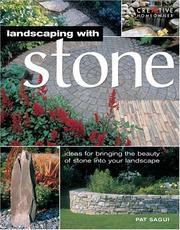
Open with Landscaping with stone by Pat Sagui and Outdoor Rooms by Joanne Kellar Bouknight — together they train your eye for scale, flow, and how a hard surface relates to the house and plantings. The complete guide to landscape design, renovation and maintenance by Cass Turnbull rounds out the planning side, especially how a patio ages and what it takes to keep it looking intentional.
Work the materials
Now the hands-on core. Patios & Walkways by the Editors of Creative Homeowner is the clearest project primer for pavers and set stone. Go deeper into masonry with Stonework by Charles McRaven and Outdoor Stonework by Alan and Gill Bridgewater, which cover dry-laid and mortared walls, steps, and edging. When your plan calls for poured surfaces, Landscaping with Concrete by the Editors of Sunset Books shows forms, finishes, and how to avoid the cracks that plague amateur pours.
Get the base right
The book that quietly makes everything else work is Landscape Construction by David Sauter — grading, compaction, drainage, and base depth. This is the engineering that keeps a patio flat through frost. Finish with Garden Stone by Barbara Pleasant to blend the built surfaces back into planting, gravel, and living edges so the result reads as a garden, not a parking lot.
Read in this sequence and you will design before you dig, choose materials for the site, and build on a base that lasts. Follow the full hardscaping and patios path for the staged plan and study notes.
Follow the full reading path →
Ready to learn something deeply?
Build a reading path — free