Homeowners tackling their own roof or siding usually start with a single how-to video and a ladder, which is exactly how leaks, rot, and callbacks happen. A building's exterior is a water-management system: everything is about keeping bulk water out and letting vapor escape. Skip the principles and you can install shingles perfectly and still trap moisture that destroys the wall behind them. This path builds from general skills to specific technique to the building science that separates a job that lasts from one that fails in five years.
Read in order and each stage assumes the last: general repair confidence, then the specific trades, then the physics that ties them together, then the professional depth if you want it.
Stage 1: build general confidence
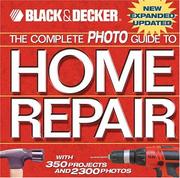
Start with the Homeowner's Complete Guide to the Exterior by Creative Homeowner Press for an overview of the whole building envelope and how its parts work together. Pair it with The Complete Photo Guide to Home Repair by the editors of Creative Publishing International, a broad, well-illustrated reference that builds the hands-on confidence to work on your house at all.
Stage 2: roofing technique
Now the roof itself. Roofing with Asphalt Shingles by Rick Arnold is a clear, professional-grade guide to the most common roofing job done right. Roofing: A Step-by-Step Guide by Taunton Press walks the full process for a DIYer, and Siding, Roofing and Trim by the editors of Fine Homebuilding covers roof and wall together with the magazine's trademark precision.
Stage 3: siding technique
For the walls, Working with Fiber-Cement Siding by Rick Arnold covers one of the most popular modern materials in detail, and Exterior Siding, Trim & Millwork by John D. Wagner broadens the picture across siding types and the trim that finishes them weathertight.
Stage 4: the science that prevents failure
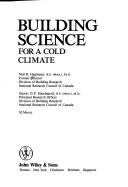
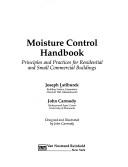
This is the stage most DIYers skip and most pros wish they hadn't. Building science for a cold climate by Neil B. Hutcheon explains how heat, air, and moisture move through a building. Moisture control handbook by Joseph Lstiburek is the authoritative guide to keeping water and vapor from wrecking assemblies — the knowledge behind every durable roof and wall. If you want the professional business side, Roofing Construction & Estimating by Daniel Atcheson covers materials, methods, and pricing.
How to study it
Read the building-science material even if you only plan to swing a hammer, because it is what turns correct-looking work into work that actually lasts. Before any project, understand the water and vapor path for your specific climate. Roofing is genuinely dangerous — falls are serious — so respect ladder and fall safety, know your local codes and permit requirements, and call a professional for steep or complex roofs. These books teach method; they are not a substitute for code compliance or a licensed contractor where one is required.
The staged version, with a study plan per stage, is the full reading path. Browse the subject hub, or build your own list.
Ready to learn something deeply?
Build a reading path — free