Graphic design looks like it runs on taste, which is exactly why beginners flounder. They open a design app, push things around until it feels okay, and never learn the underlying principles that make professional work feel inevitable. Design is a craft with rules you can learn, and the fastest way to learn them is in order: fundamentals, then typography, then systems, then the mindset of a working designer.
Read out of sequence and you will collect stylish books whose lessons you cannot yet apply. Read in order and each one builds on a principle you already understand.
Start with the four fundamentals
There is a near-universal first book here, and for good reason: Robin Williams's The Non-Designer's Design Book distills good layout into four principles, contrast, repetition, alignment, and proximity, that instantly improve anything you make. Read it first and everything else lands better.
Master typography
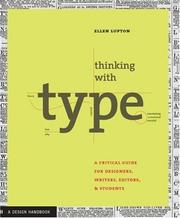
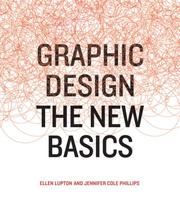
Type is most of design, and most beginners underrate it. Ellen Lupton's Thinking with Type is the standard modern introduction, clear, practical, and rigorous about how type works on a page and a screen. Her broader survey Graphic Design widens the view to the field's methods and history, giving you context for why conventions exist.
Learn to build systems with grids
Professional layout is built on structure. Timothy Samara's Making and breaking the grid teaches how grids organize a page, and, just as importantly, when to break them. Josef Muller-Brockmann's Grid Systems in Graphic Design is the classic Swiss text that codified grid thinking; it is dense but foundational.
Sharpen your eye and your practice
Now refine judgment. David Airey's Logo design love is a friendly, case-study-driven look at building simple, effective marks, a natural bridge toward identity work. Samara's Design Elements organizes the visual principles into a working handbook you will keep on your desk. Paul Rand's Thoughts on design is a short, sharp classic from a master, worth reading for how a great designer thinks. Finally, Adrian Shaughnessy's How to be a graphic designer, without losing your soul addresses the career itself, clients, portfolios, and integrity, so your craft has somewhere to go.
Follow the full reading path to move from pushing pixels around to designing with intent and defensible reasons.
Follow the full reading path →
Ready to learn something deeply?
Build a reading path — free