German cooking is more varied than its reputation suggests — yes, there is sausage and kraut, but also delicate dumplings, regional specialties, and one of Europe's most rigorous baking traditions. The mistake beginners make is treating it as a single style. Learning it in order, from everyday classics toward specialized baking and preservation, keeps it from feeling monolithic.
Start with the trusted general references, move into personal and regional voices, then graduate to the demanding craft of German bread and charcuterie. Each stage builds skills the next one assumes.
Learn the classics
Begin with German Cooking Today by Dr. Oetker, the practical household standard that covers the everyday repertoire reliably, and The German cookbook by Mimi Sheraton, the definitive English-language reference with real depth and history. Together they give you a dependable foundation across the savory canon.
Add regional and personal voices
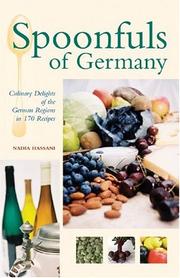
Now widen the picture. Spoonfuls of Germany by Nadia Hassani tours the regional cuisines that a single household cookbook flattens, while My Berlin kitchen by Luisa Weiss weaves memoir with recipes to show how the food lives day to day. Bavarian Cooking by Olli Leeb and The Art of German Cooking and Baking round out the range with strong regional and baking-forward collections. This stage turns "German food" into a set of distinct traditions.
Master the baking and the pantry
Finally, the craft. Classic German baking by Luisa Weiss is the modern standard for the cakes, breads, and cookies the culture is serious about, and The rye baker by Stanley Ginsberg is the deep, technical bible of German and Central European sourdough rye. Round out the preserving side with Charcuterie by Michael Ruhlman and The art of fermentation by Sandor Katz, which cover the sausage and kraut traditions properly. These reward a cook ready to slow down and get precise.
Read in order and you will handle both the hearty plate and the rigorous bake. Follow the full German cooking path for the staged study plan.
Follow the full reading path →
Ready to learn something deeply?
Build a reading path — free