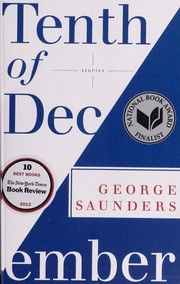
Start with Tenth of December. It is the most controlled of the collections and the one where the two halves of Saunders — the satirist of degraded corporate language and the writer of unembarrassed moral feeling — are in balance. "Victory Lap", "Escape from Spiderhead" and the title story are the three pieces most likely to make a new reader go looking for everything else.
The obvious alternative is to begin at the beginning with CivilWarLand in Bad Decline, and plenty of people do. It is rawer, funnier and considerably meaner, and its theme-park dystopias have not aged a day. But it is also relentless, and readers who start there sometimes conclude that Saunders is only a satirist. He is not, and Tenth of December proves it faster.
The short story spine
Read the collections in this order: Tenth of December, then Pastoralia, then CivilWarLand in Bad Decline, then In persuasion nation.
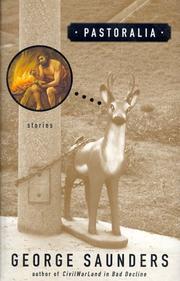
Pastoralia is the strongest of the early work — the title novella, about two employees performing as cave people in a failing historical theme park, is the purest distillation of the Saunders premise. CivilWarLand in Bad Decline is where the voice arrives fully formed. In persuasion nation is the most uneven of the four; its best stories are as good as anything he has done and its weakest are exercises. Read it when you already like him.
The brief and frightening reign of Phil is a short political fable about a nation the size of a card table. It is minor and it knows it is minor. Read it in an hour between collections, or skip it without guilt.
The novel
Lincoln in the Bardo is the one people have heard of, and it is genuinely strange. The book is assembled from hundreds of short fragments — voices of the dead in a graveyard, spliced with quoted and invented historical sources — with no conventional narration at all.
Be honest with yourself about the first forty pages. Many readers find them disorienting and put the book down, and the form does not explain itself in advance. If you can hold on until the ghosts start distinguishing themselves from one another, it turns into the most moving thing he has written. Do not make it your first Saunders. It is the reward, not the introduction.
The craft book
A Swim in a Pond in the Rain is a set of close readings of seven Russian short stories, drawn from the class Saunders has taught for years. It is the most useful book on this list for anyone who writes, and it is a pleasure even if you never intend to. Read it last, because it retroactively explains what he has been doing in everything above.
Where to stop
If you read exactly one book, read Tenth of December. If you read three, add Pastoralia and A Swim in a Pond in the Rain. Lincoln in the Bardo is for readers who have already decided they want the whole writer, and there is no shame in stopping short of it.
A note on order
There is no continuity here at all — no recurring characters, no shared world, no chronology to protect. The order above is purely a difficulty and enjoyment ranking, which means you can rearrange it freely. The one rule worth keeping is: collections before the novel.
If you want to build your own sequence, the list builder will hold it.
Follow the full ordered path here: George Saunders Reading Order: Where to Start.