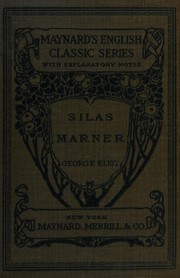
Start with Silas Marner. It is about 200 pages, it is complete in a single sitting or two, and it contains the entire Eliot machine in miniature: a person ruined by other people's judgement, a slow moral repair, and a narrator who understands everyone at once. If it works on you, everything else will.
The usual advice is to start with Middlemarch, and Middlemarch is the better book — but it is also 900 pages about a provincial election, a medical career and two bad marriages, and it opens slowly on purpose. Beginning there is how readers end up deciding Eliot is not for them. Read her short book first; earn the long one.
The entry point
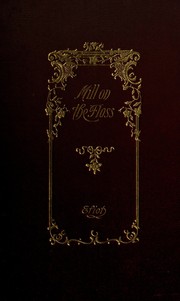
Silas Marner first, then The Mill on the Floss. The second is the closest Eliot came to autobiography, and the Maggie Tulliver chapters are the most emotionally direct writing she ever did. Be warned that its ending is abrupt and has been argued about since 1860 — many readers find the flood a contrivance, and they have a case.
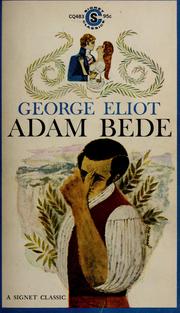
Adam Bede can go here or later. It is her first full novel, more conventionally plotted than the others, and its village world is drawn with real affection. If pastoral tragedy appeals, read it third; if not, skip it for now and lose nothing.
The major work
Middlemarch is the summit and there is no way around that. Give it 150 pages before you judge it — the book does not start paying until Dorothea's marriage curdles and Lydgate's ambitions start colliding with the town. After that it is the most complete English novel of the century, and the last 300 pages read faster than anything else Eliot wrote.
Then Daniel Deronda, her strange last novel. It splits cleanly in two: the Gwendolen Harleth story, which is as good as Middlemarch, and the Deronda story, an earnest proto-Zionist plot that most readers find much slower. F. R. Leavis famously argued the novel should be cut down to its Gwendolen half. That is a judgement, not a verdict, but it will match your experience.
What you can skip
Romola is the honest problem. It is a heavily researched historical novel set in Savonarola's Florence, and Eliot said it aged her; readers generally find it the one book of hers that reads like homework. Skip it unless you want the complete set.
Felix Holt, the radical is a step above that — a political novel with a good legal plot buried in it — but it is nobody's favourite, and it is the last thing to read rather than an early one.
The supporting shelf
Once you have read three or four novels, Selected Essays, Poems and Other Writings is worth having. Eliot was a formidable critic and translator before she was a novelist, and the essays show the intelligence working without the fictional apparatus. For biography, Rosemary Ashton's George Eliot is the sane, scholarly choice.
Where to stop
Stopping after Middlemarch is completely defensible. Four books — Silas Marner, The Mill on the Floss, Adam Bede, Middlemarch — give you everything the reputation is built on. Add Daniel Deronda if you want to see a great novelist trying something she could not quite land. Add the rest only if you have decided to live with her.
If you want a different door into the Victorians afterwards, browse the wider catalogue on Discover.
Follow the full ordered path here: George Eliot Reading Order: Where to Start.