Franchising promises the independence of ownership with the safety net of a proven brand and playbook. The promise is real, but it comes with a catch: you are buying someone else's system, and the difference between a good franchise and a costly one is buried in disclosure documents and unit economics that first-timers rarely know how to read.
Order matters here. Learn how franchising works and how to choose, then learn to evaluate a specific opportunity, then handle financing and the outside advice you will need, and finally learn to run and grow the units. Rush the selection stage and no amount of hard work later will fix a bad pick.
Understand the model and how to choose
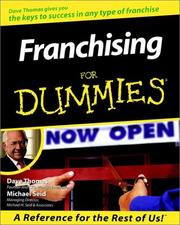
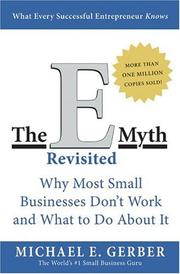
Start with Franchising for dummies for the plain-language overview of how the relationship works and what you are signing up for. Then The educated franchisee is the essential guide to due diligence — validating a franchisor, calling existing owners, and reading the disclosure honestly. Pair both with The E-myth revisited, because Gerber's argument for systems-driven businesses explains exactly why a good franchise can outperform an independent startup.
Evaluate the opportunity
Now go deeper on the business itself. Franchise your business and Franchising & licensing are written from the franchisor's side, but reading them teaches a buyer how the system is designed, priced, and protected — invaluable perspective when you evaluate a brand. Franchise MBA organizes the buyer's decision into a structured process so you compare opportunities on fundamentals rather than sales pitches.
Finance it and get good advice
Deals need capital. Financing your franchise walks through the funding options — SBA loans, financing structures, and the numbers lenders want — specific to franchise purchases. The Wall Street journal complete small business guidebook rounds out the practical business, legal, and operational knowledge every new owner needs.
Run it and scale
Finally, operate for profit and growth. Profit First reframes cash management so the business pays you, not just its bills, and Multi-Unit Franchise maps the path from a single location to a portfolio for owners who want to grow.
Work the path in order and franchising becomes a calculated business decision rather than a leap of faith on a brand you liked. The related financial-planning and trading paths sharpen the money skills that ownership demands.
Follow the full reading path →
Ready to learn something deeply?
Build a reading path — free