Formula 1 rewards fans who understand it on three levels at once: the human rivalries, the engineering, and the strategy. Watch without any of that and you see fast cars going in circles. Learn all three and a race becomes a chess match at 200 miles per hour. The trick is not to start with the aerodynamics textbook, which will bury a newcomer, but to enter through the drama and work toward the technical core.
Reading in order does exactly that. Begin with the stories and personalities that make the sport gripping, move into the engineering that decides who is fast, and finish with the strategy and leadership that turn a quick car into a winning team. Each stage makes the next one richer.
Enter through the drama
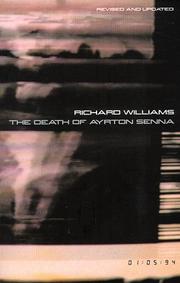
Start with the human stories. No Angel by Tom Bower and Rush: The Story of the Greatest Rivalry in Motorsport by Mark Hughes capture the personalities and rivalries that give F1 its pulse. The Death of Ayrton Senna by Richard Williams is a moving account of the sport's most consequential tragedy, The Mechanic: The Secret World of the F1 Pitlane by Marc Priestley takes you inside the garage, and Michael Schumacher by James Allen profiles the relentless drive of a champion. Together they hook you on the people.
Understand the machines
Now the engineering. How to Build a Car by Adrian Newey — the greatest designer in the sport's history — is the perfect bridge from fan to technical understanding, told through his own championship-winning cars. The Science of Formula 1 Design by David Tremayne explains aerodynamics, tires, and mechanical grip in accessible terms, and Tune to win by Carroll Smith is the classic on race-car setup and the tradeoffs engineers actually make. This stage is where circles become physics.
See how races are won
Finally, strategy and leadership. Total Competition by Ross Brawn — one of the sport's greatest strategists — reveals how championships are planned and won at the level of the whole team. It reframes everything you have learned about drivers and cars as inputs to a much larger game of decisions, timing, and organization.
Follow this order and F1 transforms from spectacle into a sport you truly understand — the people, the machines, and the strategy that binds them. Read the full reading path in sequence and the next race you watch will look completely different.
Follow the full reading path →
Ready to learn something deeply?
Build a reading path — free