Triathlon intimidates people out of proportion to its actual difficulty. A sprint triathlon is within reach of most reasonably healthy adults in a few months of sensible training — yet would-be racers stall for years, usually on one fear: the open-water swim. The second-biggest failure mode is the opposite problem: fit runners or cyclists who assume fitness transfers, then blow up on pacing, transitions, or nerves. Books fix both, but only if you read them in the right order — first-race logistics before technique, technique before training theory.
First, the standard caveat that actually matters here: endurance training is a real physical stress, and open water adds genuine risk. Get a check-up before you start training — especially over 40 or with any heart history — and never swim open water alone.
Why order matters here
The classic beginner mistake is buying the thickest training manual first. Periodization theory is useless before you can swim 400 meters without panic, and demoralizing when every page assumes vocabulary you don't have. The learning curve runs: understand the event, fix the swim, train the head, then add structure. Each stage makes the next one usable.
The path, stage by stage
Start with the event itself. Triathlon 101 by John Mora answers every logistical question a first-timer has — gear without overspending, race rules, transitions, what race morning actually looks like. Read alongside it Your First Triathlon by Joe Friel, which delivers exactly what it promises: simple, trustworthy training plans that get a beginner to a sprint finish line without overtraining.
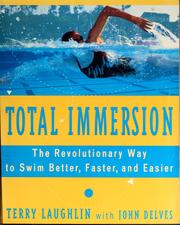
Then fix the swim, because the swim is where triathlons are abandoned. Total Immersion by Terry Laughlin rebuilds freestyle around balance and streamlining rather than muscling through the water — the standard method for adult-onset swimmers, and the difference between dreading the swim and merely respecting it.
Now train the head. The Brave Athlete by Simon Marshall is a sport psychologist's manual for the actual mental problems of endurance sport — start-line anxiety, mid-race negotiation with yourself, identity wobbles — and beginners consistently rate it the most unexpectedly valuable book on this list.
Then, and only then, add structure. The Triathlete's Training Bible by Joe Friel is the comprehensive self-coaching text: periodization, intensity zones, building a season. It rewards a racer who has finished a sprint and wants an Olympic or longer. Round it out per discipline as needed — The Cyclist's Training Bible by Joe Friel for the bike leg, and Run Less, Run Faster for time-crunched run training built on quality over volume. When performance starts to matter, Racing Weight by Matt Fitzgerald handles fueling and body composition sanely, and The Well-Built Triathlete by Matt Dixon argues persuasively that recovery, sleep, and consistency beat heroic training weeks.
The staged order with study plans is in the full reading path.
How to actually study this
Pick a race eight to sixteen weeks out and register before you finish the first book — a paid entry fee is the best training plan enforcement ever invented. Read the first two books in week one, then let training itself become the study: one lesson from the current book applied per week. Practice transitions in your driveway; they are free speed. And do at least one open-water session with a group before race day.
Start at the triathlon hub, or browse related paths on running and cycling to strengthen a single leg.