Most cyclists plateau for predictable reasons: they ride the same moderate pace every ride, sit on a bike that does not quite fit, and fuel like it is an afterthought. The fix is not more miles. It is a sequence of knowledge — machine first, then training structure, then fueling, then the head — and each layer makes the next one work.
Order matters because training advice is useless on a bike that hurts you, and interval plans collapse without fueling. Build from the ground up.
Stage 1: the machine and the fit
Start with The Bicycling Guide to Complete Bicycle Maintenance & Repair by Todd Downs, the standard shop-manual-for-humans that turns mysterious creaks into fixable problems and saves you hundreds in shop visits. Then read Bike Fit by Phil Burt, written by a physiotherapist who spent years with British Cycling. Fit is the highest-leverage upgrade in the sport: most knee pain, numb hands, and low-back complaints are position problems, not fitness problems.
Stage 2: train with structure
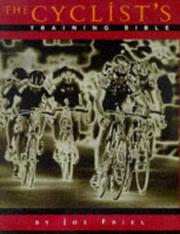
The cyclist's training bible by Joe Friel is the classic self-coaching manual: periodization, building an annual plan, and balancing intensity with recovery. It is dense; read it like a textbook and take what your schedule can hold. If your life allows six to eight hours a week rather than fifteen, The time-crunched cyclist by Chris Carmichael offers an honest, interval-driven alternative built for working adults. Riders who train with a power meter or smart trainer should add Training and racing with a power meter by Hunter Allen, the definitive reference for turning watts into decisions.
Stage 3: fuel and physiology
The endurance diet by Matt Fitzgerald studies how elite endurance athletes across cultures actually eat, and its conclusions are refreshingly moderate; treat any diet book as one voice in a live debate, not settled science. Women should prioritize Roar by Stacy T. Sims, the leading text on female-specific physiology, fueling, and training, a subject most cycling literature simply ignores.
Stage 4: the head and the heart
Endure by Alex Hutchinson synthesizes the science of endurance limits and makes a persuasive case that the brain governs more of your ceiling than your legs do. For motivation of a wilder kind, Hell on Two Wheels by Amy Snyder chronicles the Race Across America, the sport's most brutal ultra event. And read The Haywire Heart by Christopher J. Case, a sobering, evidence-based look at what decades of hard endurance training can do to the heart. If you experience palpitations, fainting, or unusual breathlessness while riding, stop guessing and talk to your doctor; a book is not a cardiologist.
How to actually study this
Pair reading with a season: maintenance and fit books in the off-season, the training plan built in winter, fueling dialed during base miles. Track one metric consistently, whether heart rate, power, or simply hours, and review monthly. Consistency over eight weeks beats any single heroic ride.
The staged plan with study notes is at the full reading path. Related endurance topics are on the subject hub, or browse all paths.
Ready to learn something deeply?
Build a reading path — free