Financial advising rewards two very different strengths. You need the technical grounding to build a sound plan, and you need the human skill to get a nervous client to actually follow it. Advisors who have only the first give correct advice no one takes; those who have only the second are dangerous. The path to real competence builds both, in a deliberate order.
Start with the money fundamentals and investing evidence, add the psychology that explains why people sabotage good plans, and finish with the professional relationship and planning skills. These books complement licensing, credentials, and compliance obligations — they do not replace the certifications a practicing advisor must hold.
Get the money fundamentals
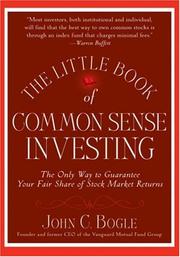
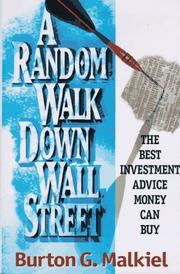
Start with The total money makeover for the behavior-first fundamentals of getting a household out of debt and stable — the baseline before any investing. Then The Little Book of Common Sense Investing delivers the low-cost indexing case that anchors sound advice, and A Random Walk Down Wall Street makes the classic argument for diversification and humility about beating the market.
Study markets and value
Go deeper on investing philosophy. The Intelligent Investor is Graham's timeless case for margin of safety and temperament over speculation, the book that shaped value investing. Pair it with The only investment guide you'll ever need for a sensible, no-nonsense survey of the choices a real client faces.
Understand investor psychology
Now the human core. Thinking, fast and slow is Kahneman's map of the cognitive biases that drive financial mistakes, essential for anyone advising real people. The Wealthy Barber teaches the fundamentals through story so they stick, which is exactly how you will need to explain them to clients.
Master the advisor relationship
Finally, the profession. The trusted advisor is the definitive book on building the client trust the whole career rests on. Personal financial planning provides the structured technical framework of the planning process, and How to Be a Financial Planner maps the practical steps of building the career itself.
Work the path in order and advising becomes a craft of judgment and trust, not just returns. The related actuarial-science, cybersecurity, and software-engineering paths show how other analytical careers reward the same staged approach — though remember an advisor's duty is a fiduciary one, not a sales one.
Follow the full reading path →
Ready to learn something deeply?
Build a reading path — free