Property management is deceptively broad: it is a legal job, an operations job, and a finance job at once. The manager who only knows how to fix a leak gets sued over a deposit; the one who knows the law but not the numbers loses money on a full building. The skill is holding all three at once, and the safest way to build that is in order — starting with the rules that keep you out of court.
Learn the legal framework first, then the day-to-day operating skills, then the financial analysis and accounting that separate a caretaker from a profit-minded manager, and finally the systems for growth. These books complement local regulations and licensing, which vary by state and always take precedence.
Know the legal rules first
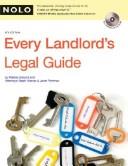
Start with Every landlord's legal guide, the plain-English reference on the law you cannot afford to get wrong — leases, deposits, evictions, fair housing, and disclosures. Getting this foundation first prevents the expensive mistakes that no amount of good operations can undo. It is the book you keep within reach for a career.
Learn day-to-day operations
Now the running of it. The book on managing rental properties is a practical, systems-driven guide to tenants, maintenance, and the daily grind from investors who do it at scale. Property Management Kit for Dummies rounds out the operational basics with forms and checklists, and Landlording: A Handyperson's Guide goes deep on the hands-on maintenance and repair realities of owning buildings.
Master the financial side
This is where profit is decided. Gallinelli's guide to real-estate cash flow and 36 other key financial measures teaches the metrics — cap rate, cash-on-cash, NOI — that tell you whether a property performs. Then The Complete Guide to Property Management Accounting covers the bookkeeping and trust-accounting discipline that keeps the money straight and compliant.
Scale into a profession
Finally, move from managing to running a business. Principles of real estate management is the institutional, IREM-standard reference for professional practice, and The Millionaire Property Manager focuses on building property management into a company rather than a chore.
Work the path in order and property management becomes a controllable business rather than a series of emergencies. The related financial-advising, actuarial-science, and cybersecurity paths show how detail-driven careers reward the same law-then-operations-then-numbers discipline.
Follow the full reading path →
Ready to learn something deeply?
Build a reading path — free