Court reporting is a two-part skill that few careers share: you must capture speech at conversational speed on a stenotype machine, and you must render it into a flawless legal transcript. The speed is the barrier most students underestimate, and the language and formatting are where a technically fast reporter still fails. Both have to be built, and built in order.
Start with the machine and raw speed, then layer on the legal vocabulary and transcription discipline, and finish with the professional reference standards that govern a certified transcript. These books support supervised practice and speed-building drills that no book can replace — the 200-plus words-per-minute goal is earned on the machine.
Build machine theory and speed
Start with Machine Shorthand Theory: StenEd, which teaches a stenotype writing theory — the system of keystrokes that everything else builds on. Then Court Reporting: Speed Studies for Stenotype is the dedicated speed-building material, the drills that push you from careful to fast. Speed is the wall most students hit, so this stage takes the most sustained, deliberate practice.
Learn the legal language
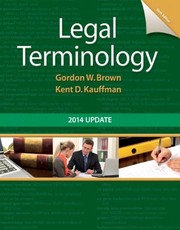
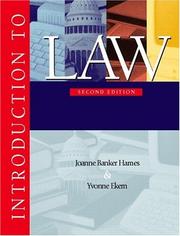
A reporter who cannot spell the terms cannot certify the record. Legal terminology teaches the vocabulary of the proceedings you will transcribe, and Introduction to law gives you the courtroom and procedural context so the words have meaning, not just spelling.
Master transcription and grammar
Now the output. Transcription Skills for Court Reporters covers turning your notes into a clean, correctly formatted transcript. Ground your language with Business English and The Gregg Reference Manual, the standards for grammar, punctuation, and style that a professional transcript is held to.
Keep the professional references
Finally, the desk references you will use for a career. Black's Law Dictionary is the definitive legal dictionary for the terms you will encounter, and Redbook is Garner's guide to legal style and usage — the authorities that settle the close calls.
Work the path in order and court reporting becomes two learnable skills instead of one impossible one. The related property-management, financial-advising, and actuarial-science paths show how disciplined, detail-heavy careers reward the same staged approach.
Follow the full reading path →
Ready to learn something deeply?
Build a reading path — free