Fashion illustration looks like free, confident line work, but that confidence rests on a stack of separate skills: the elongated figure, the way cloth falls, the shorthand that communicates a design, and eventually a voice of your own. Learn them out of order and your drawings either look stiff or look loose without meaning anything.
A good reading order fixes the figure first, then teaches you to draw clothes that read as real garments, then adds rendering and style. Each book below sits at one of those rungs, so nothing feels arbitrary.
Get the figure and the fundamentals
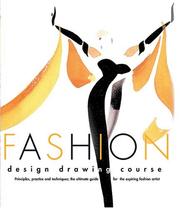
Start with Fashion illustration, which grounds you in the stylized croquis, proportion, and gesture that every later technique assumes. From there, Fashion Design Drawing Course connects drawing to actual design thinking, so your figures wear clothes that could be made. The fashion design manual widens the lens to the whole design process, giving your sketches the industry context they need to communicate rather than just decorate.
Study how professionals render and stylize
Once the basics hold, look at how working illustrators think. Fashion illustration by fashion designers collects the drawing styles of major designers, showing how a personal hand serves a brand. To sharpen your own technique, Fashion Illustration: Techniques is a thorough manual of media and methods for figures, faces, and garments. As digital tools take over studio work, Rendering Fashion, Fabric and Prints with Adobe Illustrator teaches you to translate those hand skills into vector rendering of texture, print, and drape.
Find a voice and build a portfolio
The final arc is about individuality and career. Fashion illustration next surveys contemporary illustrators pushing the field, a useful map of where the discipline is heading and what a distinctive style can look like. The complete book of fashion illustration consolidates media, figure, and presentation into one reference you will return to. Finally, The Fashion Designer's Portfolio covers the deliverable that actually opens doors: assembling and presenting work so an employer or client sees a coherent point of view.
Worked in this order, fashion illustration stops being a bag of tricks and becomes a language you can speak fluently. Follow the full path to move from your first croquis to a portfolio that represents you.
Follow the full reading path →
Ready to learn something deeply?
Build a reading path — free