Film photography has come roaring back, and it teaches discipline in a way digital rarely does: every frame costs money, you cannot chimp the screen, and the results depend on a chain that runs from exposure through development to print. Learning that chain in order is the difference between fun accidents and reliable images.
This path builds from the universal fundamentals to film-specific shooting, and then into the negative and the darkroom.
Master exposure and seeing
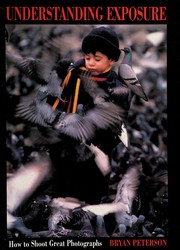
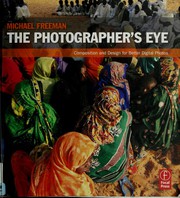
Start with the skills film shares with all photography. Understanding exposure by Bryan Peterson is the clearest introduction to the exposure triangle, and it matters even more on film where you cannot instantly check the result. The Photographer's Eye by Michael Freeman teaches composition and visual design — how to make images worth the frame.
Learn to shoot film and see with intent
Now go analog. Film Is not dead by Jonathan Canlas is a warm, practical guide to actually shooting film today — cameras, stocks, metering, and mindset. Pair it with Ways of Seeing by John Berger, a short, influential book that changes how you think about images altogether and deepens your eye.
Understand the negative and the darkroom
Film's real depth is in the technical chain. The negative by Ansel Adams is the classic on exposure and development — the heart of getting the tones you want on film — and The Darkroom Cookbook by Steve Anchell is the go-to reference for developers and processing recipes.
For black-and-white mastery, Way beyond monochrome is the comprehensive modern treatment of fine-print technique. Then The print by Ansel Adams completes his famous system with printing, and The darkroom handbook offers a practical tour of setting up and working in a darkroom of your own.
Books teach the craft; loading a roll, shooting deliberately, and developing your own film is what makes it click. Follow the full path in order.
Follow the full reading path →
Ready to learn something deeply?
Build a reading path — free