Fascism is one of the most used and least understood words in politics. It names real historical regimes, but it is thrown around so loosely that people forget what it actually described. Reading in a careful order helps: start with scholars who define the thing precisely, study the two regimes that embodied it, then look at the mechanisms and the modern warnings, so the word keeps its historical weight rather than becoming a mere insult.
This is history and political analysis, approached soberly. The point is understanding, not name-calling.
Defining the thing
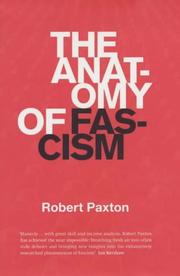
Begin with The Anatomy of Fascism (Allen Lane History), Robert O. Paxton's influential study that defines fascism by what it does rather than what it says. Pair it with Fascism, Kevin Passmore's concise and even-handed short introduction. Together they give you a working definition grounded in evidence.
The two regimes
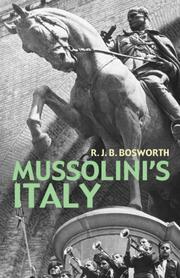
Then the case studies. Mussolini's Italy, R. J. B. Bosworth's social history of the first fascist state, shows the movement in power in its birthplace. For Germany, Hitler: 1889-1936 Hubris, Ian Kershaw's authoritative biography, traces the rise of the era's central figure, and The Third Reich in history and memory, Richard J. Evans' essays, deepens how the regime is understood and remembered.
Mechanisms and warnings
With the regimes in view, examine how ordinary people were enlisted. The Origins of Totalitarianism, Hannah Arendt's landmark analysis, dissects the roots of total domination, and Ordinary Men, Christopher R. Browning's study of a police battalion, is a devastating account of how normal people came to commit atrocities. The Nazi seizure of power by William Sheridan Allen shows the process at the level of a single town.
Close with two books that draw the lessons forward. How Fascism Works, Jason Stanley's analysis of fascist political tactics, and Fascism, Madeleine Albright's reflection informed by her own refugee history, ask what earlier warning signs look like now, carefully and without hyperbole.
Read in order, the path moves from definition to case study to caution, which is how you keep a loaded word honest. Follow the full path to take the books in sequence.
Follow the full reading path →
Ready to learn something deeply?
Build a reading path — free