Entomology is the study of the most successful group of animals that has ever lived — more species of beetle than of almost anything else combined. That abundance is thrilling and overwhelming in equal measure, and the reading reflects it: field guides, monographs, ecology texts, and morphology tomes all compete for your first attention.
Resist the urge to start with the reference volumes. The better path begins with books that make insects vivid, then teaches you to identify and classify them, then explains how they live together and shape their worlds, and finally opens the formal anatomy that specialists rely on.
Fall in love, then learn to look
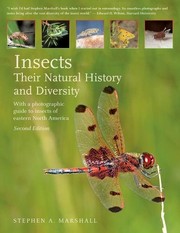
Start with The Life of a Butterfly, a naturalist's intimate account that shows how much drama hides in a single life cycle. Widen out with Insects : Their Natural History and Diversity, a stunningly photographed survey that doubles as an introduction to the major groups. Then The sting of the wild — part memoir, part science — hooks curiosity through the wild project of ranking insect stings, and turns pain into a genuine lesson in evolution and chemistry.
Identify and classify
Now build the working skills. Borror and DeLong's Introduction to the Study of Insects is the classic textbook that teaches insect structure and classification with the rigor a course demands, and A field guide to insects, America north of Mexico is the companion that gets you naming what you catch. Together they turn "some bug" into an order, family, and genus.
How insects live and are built
The deeper arc is ecology and society. The insect societies is Edward O. Wilson's landmark study of ants, bees, wasps, and termites and the origins of their staggering cooperation, while Insect ecology situates insects in the food webs and ecosystems they quietly run. For a hopeful, practical turn, The bees in your backyard invites you to observe native bees closely. Two books supply the stakes and the wonder: Silent Spring, Rachel Carson's world-changing account of what happens when we poison the insect world, and The Triumph of Seeds, which reveals the deep partnership between insects and plants. For synthesis, A World Without Insects imagines the collapse their loss would bring, The Insects: An Outline of Entomology offers a modern comprehensive text, and Principles of Insect Morphology stands as the enduring reference on how insect bodies are put together.
Read in this order, entomology grows from a hobby of catching bugs into a real understanding of the animals that run the planet. Follow the full path to work through it stage by stage.
Follow the full reading path →
Ready to learn something deeply?
Build a reading path — free