Entomology: books to explore the world of insects
This curriculum takes a beginner from pure curiosity about insects all the way to professional-level understanding of entomology. Each stage builds on the last: first developing wonder and basic literacy, then establishing scientific foundations in anatomy and classification, then diving into behavior and ecology, and finally tackling the applied and biodiversity-focused dimensions of the field.
Spark & First Foundations
BeginnerDevelop genuine curiosity about insects, learn basic insect body plans, and build the everyday vocabulary needed to read more technical material comfortably.
▸ Study plan for this stage
Pace: 4–5 weeks, ~25–35 pages/day. Start with Marshall's comprehensive overview (2–3 weeks), then transition to Schmidt's focused narrative (1–2 weeks). Adjust pace based on illustration density and field observation opportunities.
- Basic insect anatomy: head, thorax, abdomen, wings, legs, and how these structures vary across orders
- The six major insect characteristics that distinguish them from other arthropods (three body segments, six legs, wings, antennae, compound eyes, metamorphosis)
- Insect diversity and classification: understanding major orders (Lepidoptera, Hymenoptera, Coleoptera, Diptera, Odonata, etc.) and their distinguishing features
- Life cycles and metamorphosis: complete vs. incomplete metamorphosis and why this matters for insect ecology
- Sensory perception and behavior: how insects detect and respond to their environment (chemoreception, vision, mechanoreception)
- Venom and defense mechanisms: the chemistry and ecology of insect toxins as explored through Schmidt's pain scale and case studies
- Insect–environment interactions: how body structure and behavior reflect ecological niches and survival strategies
- What are the three main body segments of an insect, and what appendages or structures are found on each?
- How do complete metamorphosis and incomplete metamorphosis differ, and why is this distinction important for understanding insect life histories?
- Name at least five major insect orders and describe one distinguishing characteristic of each (e.g., wing structure, mouthpart type, or behavior)
- What sensory systems do insects use to navigate and find food, and how do these differ from human senses?
- According to Schmidt's research, what is the relationship between an insect's venom chemistry and the pain or effect it produces in humans or other animals?
- How does an insect's body plan (size, shape, appendages) reflect its ecological role and habitat?
- Collect and sketch 3–5 insects from your local environment (or use high-quality photographs). Label the head, thorax, abdomen, legs, wings, and antennae on each. Note which order each belongs to based on Marshall's descriptions.
- Create a visual comparison chart of three insect orders (e.g., Lepidoptera, Hymenoptera, Coleoptera), highlighting differences in wing structure, mouthparts, and body proportions using Marshall's illustrations as reference.
- Observe and document the life cycle of an accessible insect (e.g., butterflies, ants, beetles) over 2–4 weeks. Photograph or sketch each stage and classify it as complete or incomplete metamorphosis.
- Read Schmidt's pain scale entries for 5–10 insects and research the chemical composition of their venoms. Create a short summary linking venom chemistry to the type of pain or effect described.
- Conduct a 'sensory experiment': observe how insects respond to light, smell, or vibration in a controlled setting (e.g., watching ants follow a scent trail, or insects attracted to a light source). Record observations and connect them to sensory mechanisms discussed in Marshall.
- Write a one-page 'insect profile' for a species of interest, covering body structure, life cycle, sensory abilities, and ecological role, using both Marshall and Schmidt as sources where relevant.
Next up: This stage builds the anatomical vocabulary, taxonomic literacy, and observational habits needed to engage with more specialized topics—such as insect physiology, evolutionary adaptations, or ecological interactions—in the next stage of the curriculum.
A gentle, beautifully written entry point that introduces insect life cycles and metamorphosis without overwhelming jargon — perfect for igniting enthusiasm before formal study.
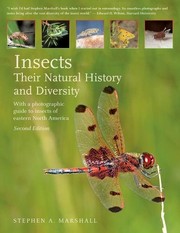
A richly illustrated, accessible reference that introduces all major insect orders, body structures, and habitats; reading it early gives the learner a visual mental map of the entire insect world.

Schmidt's engaging narrative about venomous insects naturally introduces concepts of behavior, defense, and ecology in a story-driven way that cements beginner vocabulary before moving to textbooks.
Scientific Foundations — Anatomy, Classification & Diversity
BeginnerUnderstand insect internal and external anatomy, master the logic of insect classification (taxonomy), and confidently identify the major orders.
▸ Study plan for this stage
Pace: 6–8 weeks, ~40–50 pages/day (mix of dense text and field guide reference)
- Insect external anatomy: head, thorax, abdomen, wings, legs, and mouthpart modifications across orders
- Insect internal anatomy: digestive, nervous, reproductive, and tracheal systems and their functional significance
- Taxonomic hierarchy and binomial nomenclature applied to insects
- Characteristics that define major insect orders (Lepidoptera, Coleoptera, Hymenoptera, Diptera, Hemiptera, Odonata, etc.)
- Morphological keys and dichotomous keys for identifying insects to order level
- Evolutionary relationships and adaptive radiation within insect orders
- Field identification techniques using the Borror field guide: using wing venation, body shape, and mouthparts to distinguish orders
- What are the main structural differences between the head, thorax, and abdomen, and how do these regions vary across different insect orders?
- How do insect mouthparts (chewing, sucking, siphoning, sponging) relate to feeding ecology and order classification?
- What is the taxonomic hierarchy for insects, and how do you use binomial nomenclature to name an insect species?
- What are the defining characteristics of at least six major insect orders, and how would you distinguish them using a dichotomous key?
- How do insect wings differ in structure and function across orders (e.g., Coleoptera vs. Lepidoptera), and what does this reveal about their evolutionary adaptations?
- How would you use the Borror field guide to identify an unknown insect specimen to order, and what anatomical features would you examine first?
- Dissect or carefully examine 3–5 preserved insect specimens (from different orders), labeling external anatomy: antennae, compound eyes, mouthparts, legs, wings, and abdominal segments
- Create detailed anatomical drawings of one insect from each of three major orders, annotating internal structures (digestive tract, tracheal system, reproductive organs) based on diagrams in Borror and DeLong
- Build a dichotomous key for 8–10 local insect specimens or images, using morphological characters from the Borror field guide
- Collect and identify 10–15 live or pinned insects using the Borror field guide; record order, family (if possible), key identifying features, and habitat
- Practice using the Borror field guide's keys repeatedly with mixed specimens (both known and unknown) until you can confidently key to order in under 5 minutes per specimen
- Create a comparative anatomy chart showing how mouthparts, wing structure, and leg morphology differ across Coleoptera, Lepidoptera, Hymenoptera, Diptera, and Hemiptera
Next up: This stage equips you with the anatomical vocabulary and taxonomic framework needed to move into the next stage, where you'll explore insect ecology, behavior, and life cycles within the context of their orders and environmental roles.
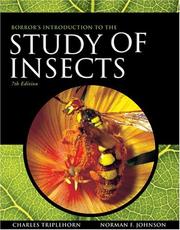
The definitive undergraduate-level introduction to entomology; it systematically covers morphology, physiology, and all insect orders — the single most important foundational textbook in the field.
Reading a practical field guide immediately after the textbook trains the learner to apply classification knowledge in the real world, bridging theory and observation.
Behavior, Ecology & Social Life
IntermediateUnderstand how and why insects behave as they do — from individual foraging and communication to complex social colonies — and how they interact with their ecosystems.
▸ Study plan for this stage
Pace: 8–10 weeks, ~40–50 pages/day. Start with Wilson's foundational text (weeks 1–4), transition to Schowalter's ecological framework (weeks 5–7), and conclude with the applied backyard focus of the Wilson bee guide (weeks 8–10).
- Eusocial organization and caste systems: how division of labor, chemical communication, and reproductive hierarchies structure ant and bee colonies
- Foraging behavior and resource allocation: optimal foraging theory, recruitment signals, and how insects locate and exploit food sources
- Chemical ecology and pheromone communication: how insects use chemical signals for navigation, alarm, mating, and colony coordination
- Population dynamics and community interactions: predator–prey relationships, competition, mutualism, and how insects shape and respond to their abiotic and biotic environments
- Ecological niches and habitat selection: how insect behavior reflects specialization to specific environments and resources
- Nesting and territorial behavior: site selection, defense strategies, and the ecological costs and benefits of different settlement patterns
- Phenology and seasonal behavior: how insects time reproduction, migration, and dormancy in response to environmental cues
- Applied observation and identification: recognizing behavioral patterns and ecological roles in local insect communities
- What are the key differences between eusocial and solitary insects, and what selective pressures favor the evolution of complex colony organization?
- How do pheromones function in insect communication, and what are specific examples from ants and bees of how chemical signals coordinate behavior?
- Explain optimal foraging theory: how do insects balance energy gain against search costs, and what behavioral decisions does this predict?
- How do insect populations regulate themselves through density-dependent and density-independent factors, and what role does behavior play in these dynamics?
- What ecological relationships (predation, competition, mutualism) do insects maintain with other organisms, and how do these shape community structure?
- How can you identify and interpret the behavior and ecological role of common bee species in a backyard or local habitat?
- Create a detailed comparison chart of eusocial vs. solitary insect life histories using examples from Wilson's text; include caste structure, reproduction, and communication modes.
- Design a field experiment to test pheromone-based recruitment in ants or bees: set up food sources at varying distances and document how quickly and in what numbers insects respond.
- Build a population model (spreadsheet or simple simulation) for an insect species using Schowalter's framework, incorporating birth rate, death rate, and resource limitation; run scenarios to predict colony or population growth.
- Conduct a 2–3 week behavioral observation study of a local bee species or ant colony: document daily activity patterns, foraging times, and interactions; relate findings to concepts from all three books.
- Map the ecological niche of 3–4 common backyard bee species using the Wilson guide: note their preferred flowers, nesting sites, flight times, and any competitive or mutualistic interactions you observe.
- Write a case study (2–3 pages) analyzing how a specific insect's behavior (e.g., a particular ant species' foraging strategy or a bee's nesting choice) reflects adaptation to its ecological context, citing examples from all three texts.
Next up: This stage equips you with a mechanistic understanding of insect behavior and ecology—the 'why' and 'how' of individual and collective action—preparing you to examine how these behaviors and ecological roles scale up to influence broader ecosystem processes, human agriculture, and conservation challenges.
Wilson's landmark work on ants, bees, wasps, and termites is the canonical deep dive into social insect behavior and ecology; its rigorous but readable style is ideal at this stage.
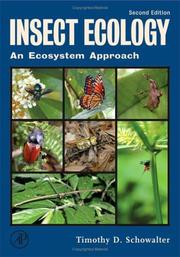
Transitions the learner from individual behavior to population and ecosystem-level thinking, covering insect roles in nutrient cycling, food webs, and habitat dynamics.

A focused, beautifully illustrated case study of bee diversity and pollination biology that makes abstract ecological concepts concrete and directly relevant to biodiversity conservation.
Applied Entomology — Pests, Pollination & Conservation
IntermediateApply entomological knowledge to real-world issues: agricultural pest management, pollinator decline, and the role of insects in sustaining global biodiversity.
▸ Study plan for this stage
Pace: 8–10 weeks, ~25–30 pages/day. "Silent Spring" (295 pages) over 3–4 weeks, then "The Triumph of Seeds" (330 pages) over 4–5 weeks, with 1–2 weeks for integration and reflection.
- Pesticide bioaccumulation and ecosystem toxicity: how synthetic chemicals persist in food chains and harm non-target organisms
- The ecological cost of monoculture agriculture and the need for integrated pest management (IPM) strategies
- Pollinator decline as a symptom of broader environmental degradation and its cascading effects on plant reproduction
- Seed dispersal mechanisms and the evolutionary relationships between insects and plants
- The interconnectedness of insects, plants, and human food security in global ecosystems
- Silent Spring's role in launching environmental consciousness and the scientific evidence for chemical harm
- Biodiversity as a functional necessity, not merely an aesthetic or moral concern
- What is bioaccumulation, and how does Carson demonstrate that synthetic pesticides accumulate through food chains to reach dangerous concentrations in predators?
- How does Carson argue that pesticide spraying programs often fail to control pests while harming beneficial insects and wildlife?
- What alternatives to blanket pesticide use does Carson propose, and how do these ideas relate to modern integrated pest management?
- In 'The Triumph of Seeds,' what are the major mechanisms by which insects facilitate seed dispersal, and why is this relationship critical to plant reproduction?
- How do Hanson's examples of seed-insect coevolution illustrate the deep interdependence between insects and flowering plants?
- What role do seeds and pollination play in maintaining global food security and biodiversity, according to Hanson?
- Create a bioaccumulation diagram: trace a synthetic pesticide (e.g., DDT) from application through soil organisms, herbivores, and carnivores, calculating concentration increases at each trophic level based on Carson's data.
- Research and compare a historical pesticide program (e.g., DDT spraying in the 1950s–60s) with a modern IPM approach for the same pest; document ecological and economic outcomes.
- Conduct a local pollinator survey: identify and count insect visitors to flowering plants in your area over 2–3 weeks; correlate findings with habitat quality and pesticide use patterns.
- Dissect or observe seeds from 5–6 different plant species and identify adaptations for insect dispersal (e.g., hooks, wings, attractive colors); sketch and annotate each.
- Interview a local farmer, agricultural extension agent, or beekeeper about pest management practices and pollinator health; synthesize their insights with Carson's and Hanson's arguments.
- Write a policy brief (2–3 pages) proposing how a specific agricultural region could transition from chemical-intensive to ecologically integrated pest management, citing evidence from both books.
Next up: This stage establishes insects as keystone organisms in agricultural and natural systems, preparing you to explore how insect diversity, behavior, and physiology underpin ecosystem services and how conservation strategies must account for the complex life cycles and ecological roles of insects.
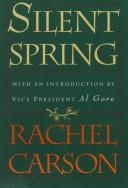
The foundational text on pesticide impacts on insects and ecosystems; reading it here gives essential historical and ethical context for all applied pest-management science that follows.

Explores plant-insect co-evolution and pollination in depth, showing how insect behavior and plant reproduction are inextricably linked — a crucial bridge to conservation thinking.
Advanced Synthesis — Physiology, Evolution & Research Frontiers
ExpertAchieve a research-level understanding of insect physiology, evolutionary biology, and the cutting-edge questions driving modern entomology.
A rigorous, comprehensive graduate-level text covering physiology, phylogenetics, and evolutionary biology of insects — the capstone reference that ties all previous learning into a unified scientific framework.
Snodgrass's classic treatise is the ultimate deep reference on insect anatomy and its evolutionary significance; reading it last rewards the learner with the full anatomical vocabulary needed to engage primary literature.
Discussion
Keep reading
Paths that share books, cover the same subject, or open a related topic.