Endocrinology is a systems discipline. Almost nothing in it can be understood in isolation, because hormones operate through feedback loops that cross organs — the hypothalamic-pituitary axes govern thyroid, adrenal and gonadal function simultaneously, and a single abnormal lab value can originate at any level of the chain. Read a chapter about the thyroid without understanding the axis above it and you will memorise facts you cannot use.
This is a clinical reading list. The books here are textbooks and specialist references aimed at medical students, residents and practitioners, and they are priced accordingly. Worth stating plainly: this material informs clinical practice, it does not substitute for it. Hormonal symptoms overlap heavily with other conditions, diagnosis depends on correctly interpreted laboratory testing, and self-managing a suspected endocrine disorder from a textbook is a genuinely bad idea.
Start with the overview
Begin with Clinical Endocrinology and Diabetes at a Glance by Miles Levy and Aled Rees. It is short, visual and organized one topic per spread, which makes it the right first pass: you get the axes, the common presentations and the basic investigations in a form you can hold in your head. Use it to build the framework the bigger books will fill in.
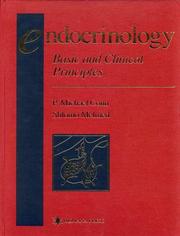
Then Endocrinology edited by P. Michael Conn, which sits between a primer and a full reference and is useful for the physiological mechanisms — receptor biology, signalling and regulation — before you move into clinical management.
The two standard clinical texts
Greenspan's Basic and Clinical Endocrinology is the most approachable of the major texts, structured so that the basic science of each gland leads directly into the disorders and their management. For most readers this is the workhorse: enough physiology to reason from, enough clinical detail to act on.
Williams textbook of endocrinology, edited by Shlomo Melmed and colleagues, is the comprehensive reference — the one you consult rather than read straight through. It is the deepest source in this list for uncommon presentations, and its chapters are the standard citation in the field. Own Greenspan if you are learning, consult Williams when Greenspan runs out.
The specialist references
Two organ systems generate most of the clinical volume, and both have dedicated references.
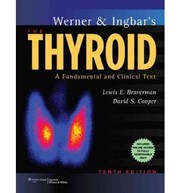
Werner and Ingbar's the thyroid, edited by Lewis Braverman and colleagues, is the definitive thyroid text — hypothyroidism, hyperthyroidism, nodules, thyroid cancer and the interpretation of thyroid function tests in unusual circumstances. Thyroid function testing is where a great deal of clinical confusion happens, and this is the book that resolves it.
For diabetes, Joslin's Diabetes Mellitus carries the weight of the Joslin Diabetes Center's clinical tradition and is strong on management across the full course of the disease. Diabetes Mellitus edited by Derek LeRoith, Simeon Taylor and Jerrold Olefsky is the more research-oriented companion, deeper on pathophysiology and the mechanisms underlying complications. Choose based on whether you need management guidance or mechanism; reading both cover to cover is redundant.
A note on editions: all of these are revised periodically, and endocrinology moves — particularly diabetes pharmacology, where the treatment landscape has changed substantially in recent years. Check that you have a current edition before relying on any drug or target recommendation.
If your interest is population-level rather than clinical, the sociology hub covers adjacent work on health and society.
Read in this order and the axes will hold together rather than fragmenting into memorised facts.
Follow the full ordered path here: Best Books on Endocrinology and Hormones, in Order.