An EKG technician records and helps interpret the electrical activity of the heart, a skill that looks like magic until you learn it in the right order. The tracings mean nothing without the anatomy behind them, and the fancy 12-lead interpretation collapses without a grasp of basic rhythms. Build the layers in sequence and reading an EKG becomes a genuine, transferable ability rather than pattern-matching you will forget.
These books complement, not replace, a certificate program, hands-on clinical practice, and certification through bodies like the NHA. Reading gives you the understanding; supervised practice gives you the competence.
Start with the body
Begin with the foundation. The Human Body in Health and Disease by Thibodeau gives you the anatomy and physiology that everything rests on, and Anatomy and Physiology for Health Professionals by Moini reinforces it with a clinical, allied-health focus. Knowing how the heart works as an organ is what makes its electrical signals interpretable rather than abstract.
Learn rhythms, then the tracing
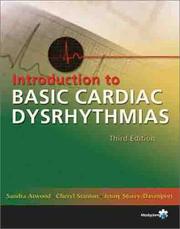
With the anatomy set, move to the signal. Introduction to basic cardiac dysrhythmias by Atwood teaches the rhythms in a clear, methodical way, and EKG Plain and Simple by Karen Ellis builds interpretation skills gently. Then the classics of the craft: Rapid interpretation of EKG's by Dale Dubin is the famously approachable book that has taught generations to read a strip, and The only EKG book you'll ever need by Malcolm Thaler is its practical, memorable companion.
Master 12-lead and certify
Step up to the full picture. 12-lead EKG confidence teaches the more advanced tracing that reveals ischemia and infarction, and ECG Interpretation Made Incredibly Easy! offers a friendly, visual reinforcement of the same material. Then drill for the exam with EKG Technician Exam Practice Questions and Certified EKG Technician Exam Secrets Study Guide, which target the certification format directly. Used after the interpretation books, they confirm rather than cram.
Read in this order — anatomy, rhythms, 12-lead, exam — and the EKG becomes readable, not mysterious. Follow the full path to enter the role able to interpret the tracing, not just record it.
Follow the full reading path →
Ready to learn something deeply?
Build a reading path — free