Jazz guitar is where harmony and improvisation meet at their most demanding. You need a deep well of chord voicings, a fluent knowledge of the fretboard, and a vocabulary of lines you can deploy over fast-changing chords, all at once. Trying to learn it all simultaneously overwhelms most players. A staged order, comping first, then soloing, then integration, keeps it manageable.
This path builds harmony, then single-note improvisation, then the connective tissue that turns theory into music. Learn the tunes alongside the books, because jazz is a repertoire art.
Chords and comping
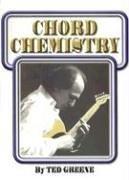
Start with Ted Greene's Chord chemistry, a legendary deep dive into voicings that will keep you busy for years and reshape how you hear harmony. Then Jazz Guitar Chord System organizes voicings into a usable framework for real comping, and The Advancing Guitarist opens up the whole neck and a musical, exploratory mindset that underlies everything else. Together they make you a useful rhythm player, which is where most jazz gigs actually live.
Single-note soloing
Now turn to lead. Joe Pass - Solo Jazz Guitar lets you study one of the greatest solo players directly, and Fretboard Logic III Applications helps you see scales and arpeggios across the neck so your lines are not stuck in one box. Greene's Jazz Guitar Single Note Soloing, Volume 1 then digs specifically into building melodic lines over changes. This cluster moves you from knowing scales to actually improvising.
Vocabulary and language
Finally, develop the language. Connecting Chords with Linear Harmony teaches how great players link chords with smooth, purposeful lines, one of the most useful improvisation concepts there is. Building a Jazz Vocabulary gives you the phrases and practice methods to sound idiomatic, and the Charlie Parker Omnibook Bass-Clef puts the bebop master's solos under your fingers, the deepest vocabulary source in the music. Transcribing and learning this material is how jazz has always been passed down.
Follow the full path in order, learning standards as you go, and jazz guitar becomes a language you can speak.
Follow the full reading path →
Ready to learn something deeply?
Build a reading path — free