We dread hard conversations because so much can go wrong: the other person gets defensive, we lose our composure, and the relationship takes damage. Yet avoiding them just lets problems fester. Handling difficult conversations well is a learnable skill, and it rewards a reading order — a core framework first, then the listening and emotional skills that make it work, then the negotiation techniques for the highest stakes.
Best Books on Difficult Conversations, in Reading Order
July 15, 2026 · 2 min read
Learn a core framework
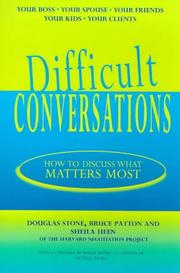
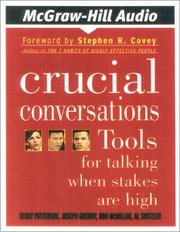
Start with Difficult Conversations, the foundational guide from the Harvard Negotiation Project. It breaks any hard talk into three layers — what happened, feelings, and identity — and gives you a structure for navigating all three. Crucial Conversations is the natural companion, focused on the high-stakes moments where opinions differ and emotions run hot, with tools for keeping dialogue safe. Thanks for the Feedback flips the perspective to the receiving end, teaching you to take criticism without getting hijacked by it.
Build the underlying skills
A framework only works if you can listen and manage emotion. Just listen offers concrete techniques for getting through to resistant or upset people, and Emotional Intelligence explains the self-awareness and self-regulation that keep you steady when a conversation heats up. The Anatomy of Peace goes to the root, showing how a defensive, blaming mindset quietly sabotages our conversations before a word is spoken.
Handle the hardest stakes
When agreement really matters, add negotiation. Getting to yes is the classic on principled negotiation — separating people from the problem and focusing on interests, not positions. Never Split the Difference brings a former hostage negotiator's tactical empathy and calibrated questions to everyday high-stakes talks. Nonviolent Communication offers a compassionate structure for expressing needs and hearing others without blame, and Dare to lead ties it together with the courage to have the conversation in the first place.
Read in this order and the talks you dread become manageable, even productive. Follow the full path to say the hard thing well.
FAQ
- Where should I start if I only read one?
- Difficult Conversations gives you the clearest core framework, and its three-layer model underlies most of the others. If your challenges are specifically high-emotion workplace moments, Crucial Conversations is an equally strong starting point.
- Do these techniques work outside of work?
- Yes. The same skills — separating facts from feelings, listening well, staying regulated — apply to family, friendships, and any relationship. Getting to yes and Nonviolent Communication in particular are used far beyond the office.
Get the books
- 1Difficult ConversationsAmazon ↗Douglas Stone
- 2Crucial ConversationsAmazon ↗Kerry Patterson
- 3Thanks for the FeedbackAmazon ↗Douglas Stone
- 4Just listenAmazon ↗Mark Goulston
- 5Emotional IntelligenceAmazon ↗Daniel Goleman
- 6The Anatomy of PeaceAmazon ↗The Arbinger Institute
As an Amazon Associate we earn from qualifying purchases. Some book links are affiliate links; you pay the same price and we may earn a small commission.
Follow the full reading path

Difficult conversations: the best books to handle conflict with skill
Beginner10books70 hrs5 stages
@worksherpa♥ 0
Ready to learn something deeply?
Build a reading path — free