Organizations are good at deciding to change and bad at actually changing. The plan is usually sound; what fails is the human part — the resistance, the ambiguity, and the loss of the old way that no spreadsheet accounts for. Change management rewards a reading order because you need the simple emotional truths first, then the structured models, then the systems view.
Start light and human, move to proven frameworks, and end with the deeper theory that explains why change sticks or slides back.
Start with the human truth
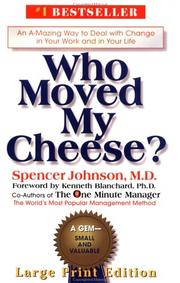
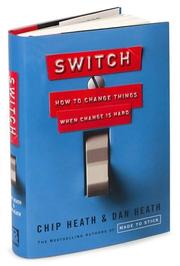
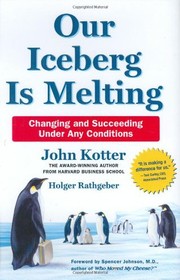
Who Moved My Cheese? is a short parable about accepting change instead of resisting it — dated for some, but a useful shared language for a team. Switch pairs the emotional and rational sides of change with practical tactics for shrinking the problem and shaping the path. Our Iceberg Is Melting dramatizes a full change process as a fable, making the steps memorable before you meet them in dense form.
Adopt a proven framework
For the backbone, Leading Change presents the classic eight-step model that most corporate change programs still borrow from, and The Heart of Change is its story-driven companion, arguing that people change when they feel, not just when they think. ADKAR offers a complementary individual-level model, and Managing transitions zeroes in on the psychological journey people make — ending, the neutral zone, and the new beginning — which is where most initiatives quietly fail.
Sustain change through people and systems
Making change last means influencing behavior and understanding the whole system. Influencer lays out how to change behavior at scale using multiple sources of motivation and ability. The Fifth Discipline introduces systems thinking and the learning organization, explaining why isolated fixes rebound. Organizational Culture and Leadership closes the loop, showing how deeply culture shapes what change is even possible.
Read in this order and change management stops being a slide deck and becomes a craft of moving people. Follow the full path to lead transformation that actually holds.
Follow the full reading path →
Ready to learn something deeply?
Build a reading path — free