Divorcing parents are handed a brutal task: to keep working as a team on the one project that matters — the kids — with the person they could not stay married to. The research is unusually clear that children fare best not when a marriage survives but when parents cooperate and stay out of the crossfire. This path is organized around that truth, starting with what children actually need, then building the practical machinery of coparenting, and finally addressing the hardest cases.
Read in order and the priorities stay straight: the child's wellbeing first, logistics second, and your feelings about your ex handled so they do not spill onto the kids.
Stage 1: what the children need
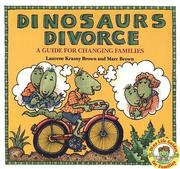
Start with The truth about children and divorce by Robert E. Emery, a research-based look at how divorce affects kids and what parents can do to protect them. For the children themselves, Dinosaurs divorce by Laurene Krasny Brown is a gentle picture book that helps young kids understand and talk about what is happening — a tool as much as a read. Putting children first by JoAnne Pedro-Carroll adds evidence-based guidance for shielding kids from conflict.
Stage 2: build the structure
Coparenting runs on systems. Mom's house, dad's house by Isolina Ricci is the classic guide to setting up two functional homes and clear routines across them. The co-parents' handbook by Karen Bonnell and Co-parenting works! by Tammy Daughtry offer practical frameworks for schedules, decisions, and consistency between households.
Stage 3: communicate across the divide
Talking to an ex is its own skill. Difficult Conversations by Douglas Stone, Bruce Patton, and Sheila Heen gives a framework for the loaded talks coparenting demands, keeping them focused on the child rather than the past.
Stage 4: high-conflict situations
Some coparenting is genuinely hard. Joint custody with a jerk by Julie A. Ross gives strategies for working with a difficult ex without escalating. And because your own recovery protects your kids, Rebuilding: When Your Relationship Ends by Bruce Fisher and Getting the love you want by Harville Hendrix help you process the divorce so old pain does not leak into the coparenting.
How to study it
Keep the child at the center of every chapter — when a decision is hard, ask what serves them, not what feels like winning. Build the practical systems early; clear schedules and routines prevent a huge share of conflict. Work on your own healing in parallel, because a regulated parent is the best thing a child of divorce can have. These are self-help and educational resources, not legal advice; custody and legal questions belong with a family-law attorney, and high-conflict or unsafe situations may need a mediator or professional.
The staged version, with a study plan per stage, is the full reading path. Browse the subject hub, or build your own list.
Ready to learn something deeply?
Build a reading path — free