This subject reached the public through American football, and that history distorts the shelf. The best-known books are investigations into how a league handled evidence, which is a story about institutions rather than about neurology. Read only those and you will know a great deal about litigation and very little about what happens to a brain, or what recovery looks like for the far larger group of people injured in car crashes, falls and assaults.
So the order matters more here than in most subjects. Take the investigative books first because they explain why the field looks the way it does, then the first-person accounts because they carry the information clinicians rarely write down, then the reference texts. One thing to say plainly at the start: these are books, not care. Concussion is diagnosed and managed by clinicians, and nothing on this list is a substitute for being assessed by one.
How chronic traumatic encephalopathy became public
Concussion is the entry point — Jeanne Marie Laskas tells the story of Bennet Omalu's autopsy of Mike Webster and what followed. Truth doesn't have a side is Omalu's own account of the same events. Read them together and note that Omalu is a contested figure: other neuropathologists have publicly criticised specific diagnostic and causal claims he has made about CTE, and that disagreement is ongoing within the field rather than resolved.
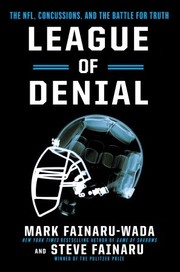
League of denial is the most thorough of the three, a reported account of the National Football League's handling of the science over two decades. Head Games came earlier and from inside the game — Christopher Nowinski was a player — and The Concussion Crisis widens the frame beyond football to the general population, which is the correction the cluster needs. Concussions and Our Kids is the practical one for parents and coaches, written by a clinician, though guidance on return-to-play protocols changes and current advice should come from a doctor rather than a 2012 book.
What injury is like from inside
In an Instant is written by Lee Woodruff and her husband Bob, a journalist wounded in Iraq, and covers the family side of severe TBI honestly. Where Is the Mango Princess? does the same for a spouse's perspective and is unusually good on personality change, which is the part families are least prepared for.
The ghost in my brain is a first-person account of a concussion that persisted for years and of one specific vision-therapy intervention that helped its author. It is a single case, described by the person it happened to, and should be read that way rather than as evidence about what works.
The Brain That Changes Itself is the popular neuroplasticity book that gave many readers their first sense that recovery is possible. It is genuinely inspiring and it also outruns the evidence in places, presenting striking case studies as more generalisable than the research supports. Keep both facts in mind.
The clinical shelf
Textbook of traumatic brain injury is the standard multidisciplinary reference, covering neuropathology, imaging, neuropsychiatric sequelae and rehabilitation. Brain Injury Medicine is the other standard, longer and more rehabilitation-focused. Both are written for clinicians and priced accordingly; a library copy is the sensible route unless you work in the field.
If you are reading because of an injury in your own life, the memoirs will do more for you than the textbooks, and the clinical volumes are most useful as a way to understand the vocabulary your care team is using. Our injury recovery hub covers the rehabilitation side more broadly.
Work through the path in order and the picture assembles properly: the institutional story, then the human one, then the medicine.
Follow the full ordered path here: Concussion and Traumatic Brain Injury: The Best Books to Read, in Order.