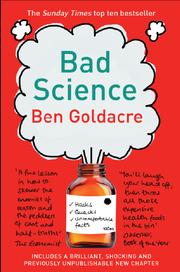
Read Bad Science by Ben Goldacre first. It teaches you how to evaluate a health claim — what a trial is for, what a control group does, why regression to the mean fools everyone — using examples from both alternative and conventional medicine. Everything else on this list is easier once you have it. Then read Testing treatments by Imogen Evans, Hazel Thornton, Iain Chalmers and Paul Glasziou, which covers the same ground more formally and is available free online; it is about fair tests of any treatment, not about alternative medicine specifically.
Say the important thing plainly: nothing in these books substitutes for medical treatment, and none of them should be used to decide whether to take or stop a prescribed therapy. That is a conversation with a clinician. What this reading does is let you follow the evidence rather than the marketing.
One honest note about the list itself. It is weighted heavily toward critical and sceptical writers. There are serious researchers who read the same evidence more favourably, and their books are not represented here, so treat this as one well-argued side of an active argument rather than as a balanced survey.
What the trials found
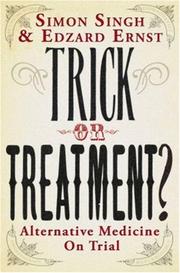
Trick or Treatment? by Simon Singh and Edzard Ernst is the central book: a therapy-by-therapy review of acupuncture, homeopathy, chiropractic and herbal medicine against the trial evidence, written by a science journalist and by the first professor of complementary medicine in the UK. Ernst spent his career testing these treatments and began as a practitioner, which is why his conclusions carry weight with people who would dismiss an outsider.
Snake oil science by R. Barker Bausell is the more technical companion, written by a biostatistician who ran trials at a US complementary medicine research centre; it is the best explanation here of why so many positive results appear and then evaporate under better design. Do You Believe in Magic? by Paul Offit covers the American landscape including the supplement industry and the regulatory gap that lets it operate, from a paediatrician who is himself a frequent target of the movements he writes about.
Healing, Hype or Harm? is a collection Ernst edited, with contributions across several therapies, and A scientist in wonderland is his memoir of running the Exeter research unit — including the dispute with Prince Charles's office that preceded the unit's closure. Read it as his account of events; it is a personal one. Suckers by Rose Shapiro is frankly a polemic, more journalistic and angrier than the others, and useful mainly for the commercial history.
The placebo argument, which is genuinely unsettled
Suggestible You by Erik Vance and Cure by Jo Marchant are both journalistic tours of placebo research, hypnosis, expectation and mind-body effects, and they are more sympathetic in tone than the books above. They report real findings — expectation measurably changes pain reports and some physiological markers — and the dispute is over what follows from that. Some researchers argue placebo effects are large enough to justify therapies that work through them; others argue they are mostly reporting bias, natural fluctuation and regression to the mean, and that ritual without disclosure is not an acceptable treatment. This is a live dispute and neither position is fringe.
The Emperor's New Drugs by Irving Kirsch belongs here rather than with the critical books. Kirsch argues from meta-analyses including unpublished trial data that antidepressants work largely through expectation and that the drug-placebo difference is clinically negligible for most patients. He is a serious researcher advancing a strong claim, and it is disputed by other meta-analysts on methodology and clinical interpretation. It is an argued position, not a settled finding — and it is about conventional medicine, which is the point of including it.
Conventional medicine gets the same scrutiny
Bad Pharma: How Medicine is Broken, and How We Can Fix it is Goldacre on missing trial data, ghostwriting, regulatory capture and marketing dressed as education. It is the necessary balance: the case against unevidenced alternative therapies is not a case for uncritical trust in the pharmaceutical industry, and both books are by the same author for that reason.
Bad Medicine by David Wootton is the historical version, arguing that until roughly the middle of the nineteenth century doctors killed more patients than they saved through bloodletting and worse. It explains where the alternative traditions came from and why some of them looked reasonable at the time. Charlatan by Pope Brock closes the list with narrative history — the career of John R. Brinkley, who implanted goat glands into thousands of men — and it is entertaining, appalling and a reminder that the commercial dynamics are old.
Follow the full path and you will be able to read a health claim on its evidence.
Follow the full ordered path here: Complementary Medicine and the Evidence: The Best Books to Read, in Order.