Fingerstyle guitar is the art of playing bass, chords and melody at once, and its central challenge is physical: training your thumb and fingers to work independently. Rush that, and you build in tension and mistakes that are hard to unlearn. A patient book sequence, practiced slowly, is the surest way to develop clean, musical technique.
This path moves from core technique through the essential Travis-picking tradition and into arranging and full solo repertoire. Go slowly, keep the thumb steady, and let speed come last.
Core technique
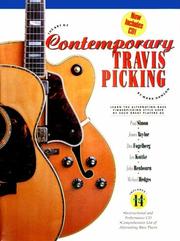
Start with Fingerpicking Guitar Techniques, a clear foundation in the right-hand patterns and hand position everything else depends on. Then The art of contemporary Travis picking teaches the alternating-bass style that underpins a huge amount of fingerstyle music, the engine you will use constantly. Getting these fundamentals clean and relaxed pays off in everything that follows.
Learn from the masters
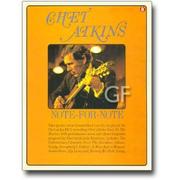
Next, study the players who defined the styles. Chet Atkins Note-For-Note lets you learn directly from the master of the thumb-picked approach, and Stefan Grossman's Guitar Workshop: Travis Picking deepens the tradition with authentic material and method. Working through real arrangements from great players builds both technique and taste at the same time.
Arrange and perform
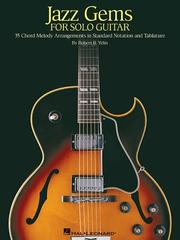
Finally, move toward complete solo pieces. Jazz Gems for Solo Guitar introduces harmonically richer solo arranging, and Solo guitar playing is a classic, thorough grounding in the reading and technique behind serious solo work. The Guitarist's Way: Fingerstyle Arrangements teaches how to turn songs into full solo guitar pieces, the arranging skill at the heart of the style, and Fingerstyle Guitar Masterpieces gives you demanding, rewarding repertoire to grow into. Ending on real pieces is the point: fingerstyle is about performing complete music, not just drills.
Follow the full path in order, at a patient tempo, and your single guitar starts to sound like an ensemble.
Follow the full reading path →
Ready to learn something deeply?
Build a reading path — free