Cast iron is the most forgiving cookware there is once you understand it — and the most frustrating before you do. The whole craft turns on a few facts: how the pan holds and radiates heat, how seasoning builds and protects it, and which dishes play to its strengths. Learn those first and a single skillet becomes the most versatile tool in your kitchen.
This path moves from the well-tested general skillet books, through scale and specialty (Dutch oven, cooking for two), and out into the flavor-forward books that show what the pan can really do. Master the pan, then chase the food.
Learn the pan
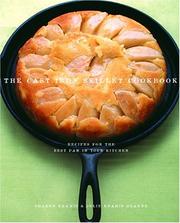
Start with The cast iron skillet cookbook by Sharon Kramis, a friendly all-rounder, and Cook It in Cast Iron by Cook's Country, whose rigorously tested recipes teach you what the pan does best. Add The Lodge Cast Iron Cookbook by Pam Hoenig from the maker itself for care, seasoning, and range. Together they cover the fundamentals every later dish assumes.
Scale up and specialize
Now branch out. Cast Iron Cooking for Two by Tracy Barksdale is ideal if you cook for a small household and want right-sized recipes, and The complete book of Dutch oven cooking by J. Wayne Fears extends the craft to the lidded pot — braises, breads, and camp cooking. This stage broadens the equipment and the techniques you can reach for.
Cook for flavor
Finally, put the pan to work on food worth eating. Meathead by Meathead Goldwyn is the science-backed reference for searing and grilling that makes your skillet a better steak pan, The homesick Texan cookbook by Lisa Fain leans into the cornbread, skillet, and comfort tradition cast iron was made for, and Six seasons by Joshua McFadden pushes you to cook vegetables with the same high-heat confidence. These reward a cook who already trusts the pan.
Read in order and cast iron stops being fussy and becomes second nature. Follow the full cast-iron cooking path for the staged study plan.
Follow the full reading path →
Ready to learn something deeply?
Build a reading path — free