Caribbean literature carries the weight of empire, migration, and a landscape written over by others—and its great writers turned that inheritance into extraordinary art. Reading in order helps because the tradition talks to itself: later writers respond to colonial narratives, and to each other, in ways that reward recognition.
It also spans forms—the answering-back novel, the memoir of childhood, the towering long poem. Knowing where a book sits sharpens what it's reaching for. Here's a path from the mid-century novel to the epic in verse.
Writing back to empire
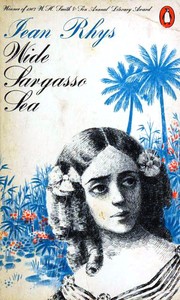
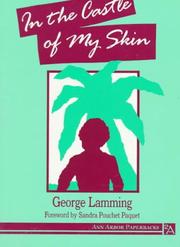
Start with Wide Sargasso Sea, Jean Rhys's fierce prequel to Jane Eyre that gives a voice to the silenced Creole woman—the definitive act of Caribbean "writing back." Then In the castle of my skin, Lamming's lyrical Barbadian coming-of-age, and Naipaul's Trinidad books: Miguel Street, his warm, comic linked stories, A House For Mr Biswas, his masterpiece of a man seeking a home of his own, and The Enigma Of Arrival, his meditative, ambivalent English novel.
Childhood, place, and anger
Jamaica Kincaid narrows the focus to the intimate. Annie John is her sharp novel of a girl's break from her mother in Antigua, while A small place is a searing essay on tourism and colonial aftermath—short and unforgettable.
The great poems
The path's summit is Derek Walcott. In a green night gathers his early lyric poems, Another life is his autobiographical long poem of an artist's making, and Omeros transposes Homeric epic onto St. Lucian fishermen—the Nobel-winning capstone of the tradition.
Follow the full path to move from the mid-century novel to one of the great epics of the language.
Follow the full reading path →
Ready to learn something deeply?
Build a reading path — free