Buying an existing business skips the riskiest part of entrepreneurship: proving that customers will pay. But it trades that risk for a different one — the danger of overpaying for, or inheriting the hidden problems of, a company you did not build. The buyers who do well are the ones who learned to evaluate before they fell in love with a deal.
Order matters because the mistakes compound. Get the strategy and the small-business mindset first, then learn to value a company, then learn to verify what you are told, and only then structure and close the deal. Skip a stage and the later ones can bankrupt you.
Build the acquisition mindset
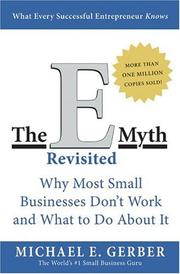
Start with Buy Then Build, Deibel's case for acquisition entrepreneurship and the practical playbook for finding and financing a first deal. Then read The E-myth revisited, because understanding why small businesses depend on systems rather than heroic owners tells you what a healthy target actually looks like. HBR Guide to Buying a Small Business adds the search-fund-style, step-by-step framing that keeps a first-timer organized.
Learn to value what you are buying
Price is where deals are won or lost. Buying a Business That Makes You Rich focuses on cash flow and the numbers a buyer should demand. For rigor, Valuation: Measuring and Managing the Value of Companies is the deep reference on how enterprise value is actually built and measured, and Mergers, Acquisitions, and Other Restructuring Activities covers the broader deal landscape you will eventually navigate.
Verify and structure the deal
Trust, then verify — mostly verify. The Art of Due Diligence teaches you to find the problems a seller would rather you not, before your money is at risk. Buying and Selling a Business covers the legal and structural mechanics — entity choice, liabilities, terms — that determine what you actually own after closing. Small Business Finance for the Busy Entrepreneur keeps the financials legible so you can read the statements you are being handed.
Learn to own it well
Finally, The outsiders studies CEOs who created outsized value through disciplined capital allocation — a fitting close, because buying the business is only the start of the returns you are responsible for.
Work the path in order and a purchase becomes a decision you can defend with numbers, not a gamble on a good story. The related franchising, financial-planning, and trading paths extend the same evaluation discipline to other ways of putting capital to work.
Follow the full reading path →
Ready to learn something deeply?
Build a reading path — free