Happiness sounds too fuzzy to study, but positive psychology has turned it into a genuine science — with surprising findings, chief among them that we're remarkably bad at predicting what will make us happy. Reading the research in order matters here, because the field builds on itself: foundational theory, then the psychology of misprediction, then the evidence-based practices. Skip around and you'll collect tips without the framework that makes them stick.
This path takes you from the origins of positive psychology to a working, research-grounded approach to your own well-being.
The foundations of well-being
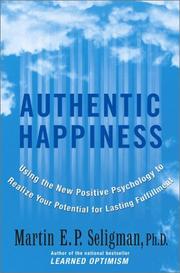
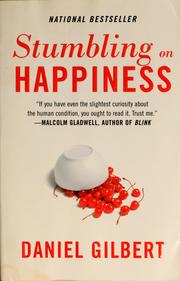
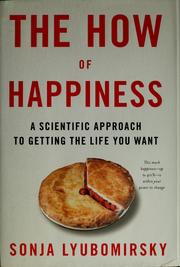
Start with Authentic Happiness, the book that helped launch positive psychology, distinguishing fleeting pleasure from deeper engagement and meaning. Stumbling on happiness is the essential next read: a witty tour of why our brains systematically mispredict what will make us happy — humbling and clarifying. The how of happiness then translates research into specific, tested activities, and Flow introduces the state of absorbed engagement that turns out to be central to a good life.
Deepen the picture
Now add nuance. Mindset shows how beliefs about growth shape well-being and resilience, Flourish revises the earlier theory into a richer model built on multiple pillars beyond just positive feeling, and The Happiness Hypothesis bridges ancient wisdom and modern research into a wise, readable synthesis.
Connection and the frontier
The research keeps pointing to one thing: relationships. Social makes the neuroscientific case that our brains are wired for connection, and that belonging is foundational to happiness. Well-Being: The Foundations of Hedonic Psychology is the rigorous academic anchor for the whole field, and The myths of happiness closes by correcting our misconceptions about the life events we assume will make or break us.
Follow the full path and you'll trade folk beliefs about happiness for something sturdier — an evidence-based sense of what actually moves the needle.
Follow the full reading path →
Ready to learn something deeply?
Build a reading path — free