Start a nine-year-old on The Iron Man. Ted Hughes wrote it in five parts, each almost exactly bedtime-sized: a metal giant eats farm machinery and then saves the world, in prose with a rhythm nothing else here has. Read it aloud even to a confident reader. It resets what a nine-year-old thinks a book can sound like, which is worth more this year than another long novel. It was published in the United States as The Iron Giant, so check the title before you order.
Nine is where children's fiction gets strange. An eight-year-old wants a story that ends well; a nine-year-old will accept a book that is eerie, unresolved or openly sad, and will read a five-hundred-page fantasy to find out what happens. That is the real difference from eight, and it is why the order below runs from short and odd, through novels that let something genuinely bad happen, to the first proper fantasy and the first long series. Reading level and interest are furthest apart here: a nine-year-old who reads slowly still wants The Iron Man, not an easier book about an easier thing.
Strange, short and completely gripping
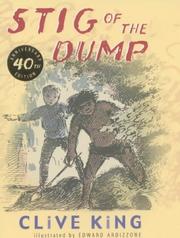
Stig of the Dump has a boy fall into a chalk pit and befriend a caveman living in it, and never explains whether any of it happened. That refusal to resolve is the new thing nine-year-olds can now tolerate.
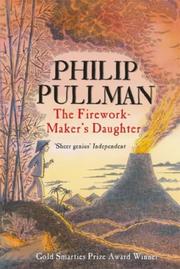
The Firework-maker's Daughter is a fast quest story and the best possible introduction to Philip Pullman before the longer books arrive; its middle section involves a mountain of fire and a real threat of death. Varjak Paw is a pedigree kitten who leaves the house and learns a martial art from ancestral dreams — darker and more stylish than the premise suggests, with Dave McKean's illustrations carrying half the atmosphere. It contains the death of an animal and two menacing cats. One further note: The Iron Man opens with the giant falling off a cliff and breaking apart, and a farmer digs a pit to trap and bury him, which some children find more frightening than the giant.
Books that let something sad happen
Because of Winn-Dixie is the gentlest way into a book whose central problem is not solved: a girl, a stray dog and a small town of damaged adults, and the missing mother never comes back. It is short and easy to read despite the premise.
Kensuke's Kingdom reads as a survival adventure — a boy washed overboard lives on an island with a Japanese soldier still hiding from the war — and is a book about Nagasaki underneath. The atomic bombing, including the loss of the man's family, is stated plainly late in the book.
The Indian in the Cupboard needs saying plainly. A plastic figure comes to life in a bathroom cupboard, and the book is really about the ethics of owning a person — but the Iroquois character Little Bear speaks in broken English and is written through 1980 stereotypes of Native Americans, and the cowboy is drawn to a similar formula. It remains widely read and widely assigned, and a nine-year-old is old enough to be told why it is uncomfortable rather than handed it unremarked.
The first proper fantasy, and the first long series
The Lion, the Witch and the Wardrobe is still the cleanest introduction to a secondary world, and read it first regardless of what the numbering on modern boxed sets says — the chronological reordering puts a later-written prequel ahead of it and spoils the wardrobe entirely. It contains a ritual killing on a stone table, described at length and followed by a resurrection, and a full battle; it also carries an explicit Christian allegory that some families will want to name and others will not.
Harry Potter and the Philosopher's Stone, sold in the United States as Harry Potter and the Sorcerer's Stone, is the right year for the first book specifically: book one is genuinely a children's book while books four onward are not. It opens with the murder of the hero's parents and includes a possession and an attempted killing. The Wolves of Willoughby Chase is harder prose — Victorian in vocabulary and sentence length — with a wicked governess, a workhouse and wolves that attack people.
The shelf they dip into
The Way Things Work explains everything from a zip to a nuclear reactor in cutaway drawings, and nine is the age at which a child will read a reference book cover to cover for pleasure. A Poem for Every Day of the Year delivers grown-up poetry in two-minute doses; it draws on adult verse, so it includes poems about war, death and love not written for children, which is part of why it works.
The full path lays out the four stages with page counts, pacing and the content notes together.
Follow the full ordered path here: Books for 9-Year-Olds: What to Read Next, in Order.