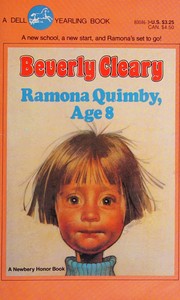
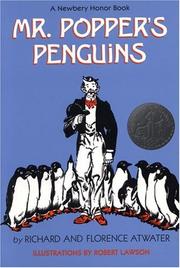
Give an eight-year-old Ramona Quimby, Age 8, and give it to them while they are actually eight. At seven, Ramona was someone to laugh at; at eight she is someone to recognise, and the book takes a child's humiliations completely seriously while still being funny. If last year ended on shorter books, start instead with Mr. Popper's Penguins — a house-painter acquires twelve penguins and takes them on tour, the joke never runs out, and it is the easiest read here.
Eight is the year the classics become possible, and not because the vocabulary suddenly arrives. It is because an eight-year-old can sit with a book in which something is genuinely lost. Seven is still mostly about length and jokes; eight is where a novel is allowed to hurt. So the order below starts with full-length comic novels, moves to the books with a real ache in them, and ends with the first history and the first poetry read for pleasure. These are suggestions, not stages to be cleared: some eight-year-olds are ready for Charlotte's Web and some cry at it for a fortnight, and both responses mean the book worked.
Full-length novels, still funny
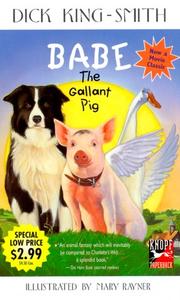
The Sheep-Pig is a pig raised by a sheepdog who learns to herd, with the comedy sitting on top of a real animal story with real stakes. It is better known as Babe, which is also the title it was published under in the United States, and the writing is sharper than the film suggests.
The BFG is the Dahl for eight rather than seven — nearly twice the length of Fantastic Mr Fox, and half its pleasure is in the invented language, which needs a reader confident enough not to be thrown by a word they cannot decode. Then Matilda, the longest Dahl most children read and the one about reading itself. Put it at the end of this stage: underneath the comedy it is about adults being unjust and a child having no recourse, which makes it the bridge to the harder books.
The books with a real ache in them
Charlotte's Web is the canonical eight-year-old book, and the reason is the ending — a friend dies, permanently, and the book does not soften it. Read it aloud if you can. The prose is far better than it needs to be, and the ending is better shared than discovered alone. Leave a clear week afterwards.
The Tale of Despereaux is structurally more demanding than anything above it: a mouse, a rat and a servant girl in interlocking sections, with a narrator who addresses the reader directly about forgiveness. It rewards a child who has just finished Charlotte's Web. The Wild Robot is the modern entry point to this stage — a robot washes up on an island and learns to survive by watching the animals — and its very short chapters make it far easier than its themes. Move it to the front of the stage for a child who resists older-sounding prose.
The first history, and the first poetry they choose
Little House in the Big Woods records a frontier childhood in extraordinary domestic detail: how to smoke a deer, make bullets, get through a winter. It is the first book here that is history rather than story, and it has almost no plot, which is a different kind of reading and takes getting used to. Be aware before handing it over that the series depicts Native Americans through the prejudices of the settlers, and later volumes contain lines many families now read aloud only in order to discuss them. It is genuinely canonical and genuinely dated, and an eight-year-old can be told both things at once.
The Terrible Tudors does what an eight-year-old actually wants from non-fiction — the gruesome facts, the jokes, and no pretence that the past was tidy. It is the format that converts fiction-only readers into readers of everything, and it is designed to be left lying around rather than scheduled.
Finish with Where the Sidewalk Ends: funny, occasionally grotesque poems with line drawings, read in any order. Eight is the age at which a child will pick up a poetry book unprompted, and this is usually the one they pick up. The full path sets out the three stages with page counts and pacing, and holds the content notes in one place.
Follow the full ordered path here: Books for 8-Year-Olds: The Best Chapter Books, in Order.