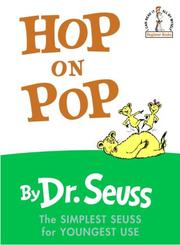
Start a five-year-old on Hop on Pop. It is built out of three-letter rhyming families laid out two or three words to a page, which is the smallest possible unit of success. The obvious alternative is the wrong one: The Cat in the Hat is far harder than its reputation suggests, runs to more than two hundred distinct words, and belongs near the top of this list rather than at the start of it.
Five is the year the direction of reading reverses. Until now the child has been read to; now they read to you, one word and then one line at a time. So this ladder is built around decoding rather than plot — controlled vocabulary first, then easy readers with jokes a child can get without help, then the first book they finish entirely alone. One thing matters more than the order: keep reading aloud at full strength alongside all of it. What a five-year-old can decode and what they want to hear are two different things and will stay different for years, so the picture books from the four-year-old ladder do not go in a box.
Books they read to you, one line at a time
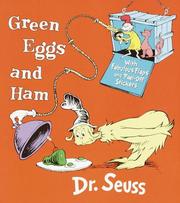
Green Eggs and Ham uses fifty distinct words in the entire book, repeated until they are automatic, which is why the last pages get easier rather than harder. It is the classic first book read cover to cover.
Go, Dog. Go! drills prepositions and colours through pictures of dogs doing absurd things, so a stuck reader can always work the word out from the illustration. Are You My Mother? repeats one question across the whole book, giving the child a sentence they will get right every time to carry them through the harder words in between.
There is no page-per-day target here, and imposing one is the main way this stage goes wrong. A sitting is a page or two, five minutes, stopping while it is still going well.
The first books with jokes they get on their own
Today I Will Fly! is two characters, speech bubbles and almost no narration — closer to a comic than a book, and far easier than it looks. Reach for it if Dr. Seuss is becoming a chore.
Don't Let the Pigeon Drive the Bus! argues directly with the reader, who has to shout back, so a hesitant five-year-old is performing rather than being tested. Then The Cat in the Hat, which belongs at the top of this stage: a five-year-old reading it fluently is well ahead of the year, and most will hear it read aloud by you long before they read it themselves. Both are fine.
Hairy Maclary from Donaldson's Dairy is a cumulative list of dog names that scan, so it is memorised almost instantly and then read back with total confidence. That confidence is doing real work at this stage even when it is partly recall.
The first book they finish alone
Little Bear is four gentle stories with chapter breaks, so the child gets a stopping point and the feeling of having finished something. It is the bridge between an easy reader and a chapter book.
Frog and Toad Are Friends is simple enough to decode and genuinely good writing — the stories are about friendship being difficult, which is more than the vocabulary suggests. For a lot of children this is the first book they finish on their own. Owl at Home follows it, quietly raising the difficulty without raising the page count. Two content notes, both mild: Frog and Toad Are Friends contains a story about waiting for a letter that never comes, and Owl at Home has one in which the owl deliberately makes himself cry so he can brew tea from the tears. Gently sad rather than distressing, and both are among the stories children ask for most.
Finish with From Seed to Plant, straightforward illustrated non-fiction at roughly the same reading level as the Lobel books. Many five-year-olds who stall on stories will read a whole information book without noticing they have done it.
None of this is a schedule, and expect the same book for weeks. The full path groups the twelve into three stages with the reading times and stopping points set out.
Follow the full ordered path here: Books for 5-Year-Olds: The Learning-to-Read Ladder, in Order.