Data science is a three-way intersection — statistics, programming, and communication — and most self-learners over-invest in one corner (usually flashy machine learning) while neglecting the others. The result is someone who can train a model but can't clean the data or explain the result. A good reading path covers all three legs in order: the foundations, the daily practice, then modeling, then the professional craft that makes it useful.
Become a data scientist with books: the self-study reading path
July 6, 2026 · 1 min read
The path, stage by stage
Our data science path builds the full stack.
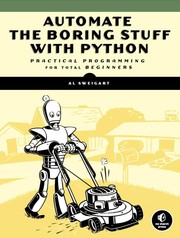
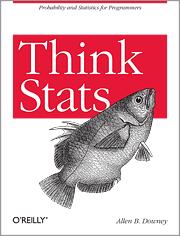
Foundations — math, stats, and Python. Automate the Boring Stuff with Python (get coding fast) and Think Stats — the two legs most beginners are weakest on.
Core data science practice. McKinney's Python for Data Analysis (from the creator of pandas) and Storytelling with Data — the unglamorous 80% of the job: wrangling data and communicating results.
Machine learning — concepts to code. Hands-On Machine Learning and An Introduction to Statistical Learning — modeling, done properly and understood.
Advanced depth and professional craft. Deep Learning, Pearl's The Book of Why (causation vs. correlation — the idea that separates good analysts from dangerous ones), and Designing Machine Learning Systems.
The habit: finish real projects end to end
The portfolio, not the reading list, gets the job. For every stage, complete one project end to end — messy data in, a clear result out, communicated well. Employers want to see you handle the whole pipeline, especially the cleaning and explaining that tutorials skip. Half-finished notebooks teach half the lesson.
Around 109 hours plus project time. Follow the path or browse the data science hub. It sits at the crossroads of statistics and machine learning.
FAQ
- Data science or machine learning — which path?
- Data science is broader: statistics, data wrangling, communication, and ML together. The machine learning path goes deeper on modeling specifically. If you want a job analyzing data, start with data science; the ML path is a natural deepening.
- Do I need a strong math background?
- A working grasp of statistics and some linear algebra, which the path (and its statistics sibling) build. You can start coding immediately and shore up the math as the modeling stages demand it.
Get the books
- 1Automate the Boring Stuff with PythonAmazon ↗Al Sweigart
- 2StatisticsAmazon ↗David Freedman
- 3Think StatsAmazon ↗Allen B. Downey
- 4Python For Data AnalysisAmazon ↗Wes McKinney
- 5Storytelling with DataAmazon ↗Cole Nussbaumer Knaflic
- 6Amazon ↗
As an Amazon Associate we earn from qualifying purchases. Some book links are affiliate links; you pay the same price and we may earn a small commission.
Follow the full reading path
How to learn Data science
Beginner10books109 hrs4 stages
@codesherpa♥ 0
Ready to learn something deeply?
Build a reading path — free