APIs are among the most permanent things a team builds. Once clients depend on your endpoints, every design mistake becomes a compatibility burden you carry indefinitely. That permanence is exactly why reading order matters: you want the principles of durable design in place before you commit to a public contract.
The path moves from understanding REST properly, through a repeatable design methodology, into the practicalities of documentation and tooling, and finally to managing APIs as products with lifecycles. Follow it and you design interfaces that are pleasant to consume and safe to evolve.
Understand REST properly
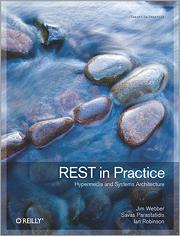
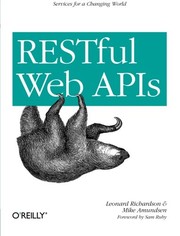
Start with REST in Practice, which teaches REST as an architectural style rooted in the web itself rather than as a synonym for "JSON over HTTP." Follow it with RESTful Web APIs: Services for a Changing World, a deeper look at hypermedia and building APIs that can change gracefully over time. Together they replace cargo-cult REST with real understanding of why the constraints exist.
Learn a design methodology
Good APIs come from process, not luck. The Design of Web APIs offers a practical, user-centered methodology for designing interfaces around what consumers actually need, and Principles of Web API Design extends that into a full, repeatable approach for going from requirements to a well-structured API. For quick reference on the everyday decisions — naming, versioning, pagination — Web API Design keeps the pragmatic guidelines close at hand.
Document, tool, and manage
The final arc is about the API's life beyond its first release. Designing APIs with Swagger and OpenAPI teaches the specification-driven workflow that keeps documentation, code, and contracts in sync. Continuous API Management covers the organizational reality — versioning strategy, governance, and evolving an API landscape over years. And The API Experience keeps the focus on the developer using your API, because adoption ultimately hinges on how good that experience is.
Read in this order and API design stops being a matter of taste and becomes a discipline with defensible principles. Follow the full path to build APIs that clients trust and that you can grow without fear.
Follow the full reading path →
Ready to learn something deeply?
Build a reading path — free