Design patterns have a reputation problem: developers learn the catalog, then jam patterns into code that did not need them. The antidote is reading in an order that teaches the underlying problems first, so patterns become answers to questions you actually have rather than solutions in search of a problem.
The sequence starts approachable, builds to the foundational reference, then grounds everything in the day-to-day practice of writing and refactoring clean code — because patterns only help if the code around them is healthy. Get that order right and patterns become a tool for communication and clarity.
Start approachable, then foundational
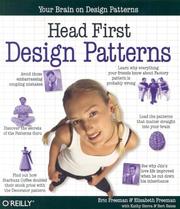
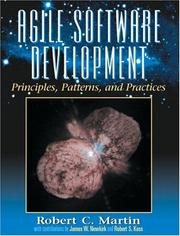
Begin with Head First design patterns, whose friendly, visual approach makes the core patterns genuinely intuitive and shows the problems each one solves. From there, Design Patterns. Elements of Reusable Object-oriented Software is the foundational catalog — dense but essential, the book that named the vocabulary the whole field uses. Reinforce the object-oriented thinking behind it with Agile Software Development, Principles, Patterns, and Practices, which connects patterns to the SOLID principles that make them worthwhile.
Ground patterns in clean code
Patterns live inside real code, so this arc keeps them honest. Clean Code teaches the habits that make code readable enough for patterns to help rather than obscure, and Refactoring shows how to reshape existing code safely — the discipline that lets you introduce a pattern only when it earns its place. Patterns of Enterprise Application Architecture then scales the idea up to the recurring structures of business applications.
Go deeper and modern
Finally, widen the lens. Dive Into Design Patterns is a clear, modern re-explanation of the classic patterns with contemporary examples, and Design Patterns in Python shows how patterns shift in a dynamic language where some become unnecessary. Domain-Driven Design connects patterns to modeling the business itself, and A pattern language — the architecture book that inspired the whole idea — reminds you that patterns are ultimately about capturing hard-won design wisdom in reusable form.
Read in this order and patterns stop being a checklist and become a shared language for good design. Follow the full path to learn not just the patterns but the judgment to use them well.
Follow the full reading path →
Ready to learn something deeply?
Build a reading path — free