Start with Stalingrad. It is the book that made Beevor and the one that changed how popular military history gets written: operational narrative interleaved with letters, diaries and interrogation records, so that the movement of armies and the experience of individual soldiers occupy the same pages. Every other book on this path is a variation on that method, and if the method does not work for you, you will know within a hundred pages.
Publication order and campaign chronology pull in different directions across his career, and neither is the right guide. Read Stalingrad first because it is the best; after that, read by theatre rather than by publication date, which is what this path does.
A plain warning before the first book. Stalingrad is about a five-month battle that killed close to two million people, and it is explicit about starvation, cannibalism among trapped troops, the mass execution of prisoners and the deliberate destruction of a civilian city. Beevor does not editorialise about any of it, which is a large part of why it lands so hard. Every book that follows carries the same freight.
The Eastern Front and the whole war
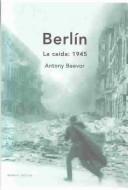
The Fall of Berlin, 1945 continues the Eastern Front story to its conclusion. Warn yourself properly about one thing: it contains a sustained, documented account of mass rape by Soviet troops in Germany, which caused a diplomatic row on publication. It is neither sensationalised nor brief.
The Second World War is his single-volume survey of the entire conflict, and the odd book out — a survey rather than a narrative, best read in chunks by theatre over several weeks. If you want one book that covers everything and you are not going to read ten, this is it, though it is inevitably thinner per campaign than the standalone volumes.
The Western Front
D-Day first, regardless of what else you skip, because it sets up the campaign the other two conclude. It is detailed about the bocage fighting and about Allied bombing of French civilians. The battle of Arnhem follows, covering what Operation Market Garden did to the Dutch towns and the population that helped. Then Ardennes 1944, on the massacre of prisoners and the winter conditions. Take a short break between each; the material is less relentless than the Eastern Front books but no gentler in content.
The wars either side
The Spanish Civil War is the densest and most politically demanding book here — more factions than anything else he has written, and worth a slow read with notes. Then the Crete book, which our catalogue lists under a garbled bookseller's title but is the short campaign-and-resistance history and the quickest read of this group.
Paris After the Liberation, written with Artemis Cooper, is the least military book on the path and a good change of air. Russia is his late account of the Russian civil war, and is as brutal as anything he has written, partly because civil wars are.
What to skip, and where to stop
Stalingrad and D-Day between them are a complete education in what Beevor does; a reader who stops there has not short-changed themselves. If you want three, add The Fall of Berlin, 1945 so the Eastern Front story finishes. The battle of Arnhem and Ardennes 1944 are for readers who already know they want campaign-level detail.
One honest note on the historiography. Beevor writes for general readers and is enormously effective at it, and some academic historians have argued that the emphasis on atrocity and individual testimony comes at the cost of analysis, while others regard the archival work as its own contribution. The dispute is real; it is not a reason to avoid the books. If it is narrative history you are after rather than military history specifically, Erik Larson is the usual next shelf.
Follow the full ordered path here: Antony Beevor Reading Order: Where to Start.
Ready to learn something deeply?
Build a reading path — free