Acrylics are the friendliest paint to start with and the easiest to flail around in. They dry fast, cover mistakes, and cost little, which means beginners can produce a lot of muddy, overworked canvases very quickly. The cure is not talent; it is a reading order that builds the fundamentals in sequence instead of chasing pretty results.
The path runs from handling the material, to controlling color, to brushwork and composition, and finally to painting from observation. Skip the early rungs and you will keep fixing the same problems forever.
Get comfortable with the material
Start with a true beginner's guide: Pamela Wissman's Acrylic Painting for Beginners introduces tools, surfaces, and basic techniques without assuming any prior skill. James Van Patten's The acrylic painter deepens that foundation with a fuller survey of what the medium can do, from thin glazes to heavy body work.
Learn to mix and control color
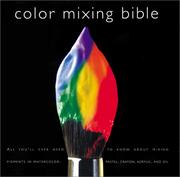
Color is where most acrylic paintings live or die. Ian Sidaway's Color Mixing Bible is a practical, chart-driven reference for getting the color you actually want from the tubes you own, which alone will clear up most muddiness problems.
Build brushwork and confident marks
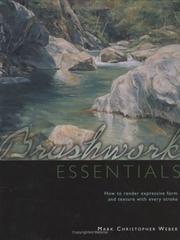
Now train the hand. Mark Christopher Weber's Brushwork Essentials focuses on the loaded, decisive strokes that separate fresh paintings from labored ones. Chris Cozen's Acrylic solutions opens up texture, layering, and mixed-media techniques unique to acrylics. For a gentle, encouraging on-ramp if you still feel lost, Claire Watson Garcia's Painting for the absolute and utter beginner and Annie Sebrant's The Joy of Acrylic Painting rebuild confidence with structured, low-pressure projects.
Compose and paint the world
Finally, lift your eyes from technique to pictures. Edgar Payne's Composition of Outdoor Painters is a landscape painter's classic on arranging a scene so it holds together, and its compositional lessons apply to any subject. Close with Richard Schmid's Alla prima, a master class in painting directly and accurately from life that will pull every earlier skill together.
Read in this order, acrylics reward you fast. Follow the full reading path to move from your first flat washes to paintings with real color, structure, and life.
Follow the full reading path →
Ready to learn something deeply?
Build a reading path — free