Subjects / Statistical mechanics
Best books to learn Statistical mechanics, in order
Statistical mechanics connects the microscopic to the thermodynamic, and needs both in hand. A good order reviews thermodynamics and probability first, then builds the core — microstates, entropy, and the ensembles — before applications like phase transitions and quantum statistics. Skip the ensemble reasoning and the formulas are unmotivated. Ground thermo and counting, then the statistical framework, then the phenomena — phase changes and critical behavior — it so elegantly explains.
Reading paths for statistical mechanics

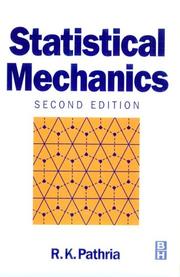
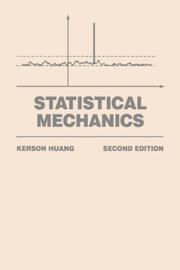
The Best Statistical Mechanics Books, in Order
Beginner8books79 hrs4 stages
Popular statistical mechanics books

Related reading
Frequently asked questions
- How should I approach learning statistical mechanics?
- Statistical mechanics connects the microscopic to the thermodynamic, and needs both in hand. A good order reviews thermodynamics and probability first, then builds the core — microstates, entropy, and the ensembles — before applications like phase transitions and quantum statistics. Skip the ensemble reasoning and the formulas are unmotivated. Ground thermo and counting, then the statistical framework, then the phenomena — phase changes and critical behavior — it so elegantly explains.
- What's a good book to start statistical mechanics with?
- A strong starting point is Statistical mechanics by R. K. Pathria. The ordered reading paths above show exactly where it fits and what to read next.
- What should I read after statistical mechanics?
- Once you have the fundamentals, explore closely related subjects like Seismology, Developmental biology, Biomechanics.