Subjects / Court reporting
Best books to learn Court reporting, in order
Court reporting rewards understanding the path before you commit: first the role and the reality of capturing the spoken record accurately, then stenography, transcription, and the legal procedure that certification tests, then the day-to-day of depositions and courtrooms and finding work. Reading in order clarifies what the training demands. But speed on the machine is built through relentless practice, and certification is the gate; books guide the journey, they don't shortcut the drills.
Reading paths for court reporting
Court reporting career: an ordered reading path to get started
Beginner6books110 hrs4 stages
@worksherpa♥ 0
Popular court reporting books

Related reading
Frequently asked questions
- How should I approach learning court reporting?
- Court reporting rewards understanding the path before you commit: first the role and the reality of capturing the spoken record accurately, then stenography, transcription, and the legal procedure that certification tests, then the day-to-day of depositions and courtrooms and finding work. Reading in order clarifies what the training demands. But speed on the machine is built through relentless practice, and certification is the gate; books guide the journey, they don't shortcut the drills.
- What's a good book to start court reporting with?
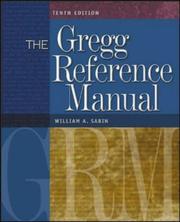
- A strong starting point is The Gregg Reference Manual by William A. Sabin. The ordered reading paths above show exactly where it fits and what to read next.
- What should I read after court reporting?
- Once you have the fundamentals, explore closely related subjects like Property management, Financial advising, Actuarial science.