Warriors Reading Order: Where to Start with Erin Hunter's Cats
Warriors runs to well over a hundred volumes across seven main arcs plus super editions, novellas and manga, and no reading path can or should cover it — this one covers the spine. It reads the first arc, The Prophecies Begin, straight through in order, then the second arc, The New Prophecy, then shows how super editions and the third arc slot in, so a reader knows exactly where they are in the structure and can carry on alone.
The Prophecies Begin: Start Here
BeginnerOpen the first arc, which is the only correct place to start Warriors. ORDER CHOSEN: publication order within the arc, which is also internal chronology — the six books of arc one are one continuous story and every later arc assumes them. Note that these titles resolve individually only under their bare volume names; searching Warriors #1 returns a three-book collection instead.
▸ Study plan for this stage
Pace: Two to three weeks for 975 pages across three books — Into the Wild 295 pages, Fire and Ice 344, Forest of Secrets 336. These are middle-grade novels with short chapters, so each is three or four evenings and the arc reads much faster than its page count suggests. Read them in order: the six books o
- The warrior code and the clan structure — ranks, apprenticeships, mentors and the Gathering — all taught in the first book
- StarClan and the prophecy framework as the series' organising supernatural apparatus
- The outsider's entry point: Rusty arrives knowing nothing, which is why the first book can explain everything without exposition
- Four clans as four political entities with territory, borders and grievances, not four teams
- Ambition as the arc's engine, with Tigerclaw introduced early and developed across all six books
- How the series scales from a single protagonist to a whole society over three volumes
- State the warrior code in your own words. Which of its rules do the cats break in the first three books, and what happens to them?
- Into the Wild explains the clans through a newcomer. What would the book have had to do differently with a protagonist born in ThunderClan?
- Fire and Ice moves the focus from one cat to clan politics. Name the scene where that shift happens.
- Forest of Secrets is the arc's turn toward genuine darkness. What specifically changes in what the series is willing to show?
- Tigerclaw is visible from early on. Track what the narration lets you know that Fireheart does not.
- Draw the four clans' territories from the descriptions given, with borders and landmarks; the arc's conflicts are geographical and a rough map makes them far easier to follow.
- Keep a cast list by clan and rank, updating ranks as cats are promoted — the naming convention changes with rank and that alone will confuse a reader without a list.
- After Forest of Secrets, go back to Tigerclaw's first appearance in Into the Wild and mark every line that reads differently now.
- Write down the warrior code as stated in book one and add each later clarification or exception; by the end of the arc the additions are the argument.
Next up: The next stage finishes the first arc, which resolves its own plot completely — a reader who stops at book six has read a whole story rather than an unfinished one.
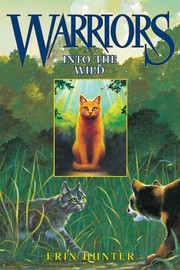
A house cat called Rusty leaves his garden and joins ThunderClan. The first book of the first arc and the entry point for the entire series — everything about the clans, StarClan and the warrior code is taught here.
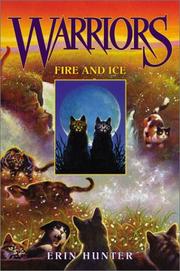
Second: Fireheart is a warrior now, sent to bring WindClan home. It is where the series stops being one cat's story and becomes clan politics, so it is the book that decides whether Warriors is for you.
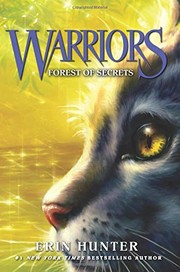
Third, and the arc's turn toward genuine darkness — the parentage revelations and Tigerclaw's ambition both land here. Read it in place; the payoff in books five and six depends on it.
Finish the First Arc
BeginnerComplete The Prophecies Begin, which resolves its own plot fully — a reader who stops after book six has read a complete story.
▸ Study plan for this stage
Pace: Two to three weeks for 981 pages — Rising Storm 320, A Dangerous Path 325, The Darkest Hour 336 — the same rhythm as the last stage. Two things about the internal order matter. Rising Storm is the quietest of the six and does most of the character work the finale needs, so it repays not skimming eve
- Deputy as a role with duties and constraints, and what the middle books do with Fireheart's promotion
- A leader's decline in A Dangerous Path, written as loss of judgement rather than as villainy
- BloodClan as an outside force that does not share the warrior code, which is what makes it the arc's final test of the code itself
- The nine lives system and what it does to the stakes of a leader's death
- Arc-level plotting: six books that plant in the first three and pay off in the second three
- Why this is a genuine stopping point, and what a reader gains by treating it as one
- Rising Storm has the least external event of the six. List what it accomplishes that the finale could not have done without.
- Bluestar's judgement fails in A Dangerous Path. Where does the narration place the cause — grief, betrayal, age, or something else?
- BloodClan rejects the warrior code entirely. What does the arc argue the code is for, by showing what its absence looks like?
- The nine lives system means a leader can die repeatedly. Does that raise or lower the tension, and where can you show it?
- If you stopped here, what would be unresolved? Make the list before deciding whether to continue.
- Take three plot threads planted in the first stage and trace each to its resolution across these three books; the arc's construction is only visible traced.
- Update the cast list with every death in the arc and the book it occurs in — the distribution across the six books is a fact about how the series paces loss.
- Write a one-paragraph case for stopping at The Darkest Hour and a one-paragraph case for continuing, then pick one.
- Compare the opening page of Into the Wild with the closing page of The Darkest Hour and note how much the series assumes you now know.
Next up: The next stage begins the second arc, which follows the next generation and makes the largest change the series ever makes — moving the clans out of the forest entirely.

Fourth: Fireheart as deputy, a drought, and a fire. The quietest book of the six and the one that does most of the character work the finale needs.

Fifth, with the dog pack and Bluestar's unravelling. Read it immediately before the last book — the two function almost as one.
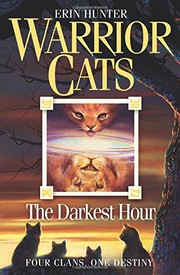
Sixth and the arc's conclusion, with BloodClan at the four trees. This is a real ending: stop here if you want, and everything after it is a genuine new beginning.
The New Prophecy
BeginnerMove to the second arc, which follows the next generation and moves the clans out of the forest entirely — the largest change the series ever makes.
▸ Study plan for this stage
Pace: Two to three weeks for 944 pages — Midnight 303, Moonrise 306, Dawn 335. The pace is the same as the first arc but the structure is not: from Midnight onward the point of view rotates among a group rather than following one cat, which is how every later arc is written, so the adjustment is worth mak
- Rotating point of view among four cats from four clans as the structural template for the rest of the series
- The next-generation handover — protagonists who are the children of the first arc's cast
- The Tribe of Rushing Water as the first society outside the four clans, and what its existence does to the world's scale
- Human activity as an unarguable external force, against which the warrior code has no answer
- The Great Journey as a migration plot: a fixed destination, a moving population and attrition along the way
- Prophecy used to assemble a party, which is a different job from the first arc's use of it
- The point of view now rotates among four cats. What does that gain, and what intimacy does it cost compared with the first arc?
- The Tribe of Rushing Water has its own beliefs and structures. How does the series treat a society that does things differently — as wrong, as alien, or as valid?
- The forest is destroyed by humans, who are not antagonists in any conventional sense. What does that do to the shape of the conflict?
- Compare the prophecy that opens this arc with the one that drove the first. What is each prophecy actually for, structurally?
- Which of the first arc's cats are still present, and how has their function changed?
- Chart the four travelling cats' clans and starting positions before you begin; the arc is a group dynamic and knowing who is loyal to whom is the whole point.
- Redraw your territory map from the first stage and mark what is destroyed in Dawn; the loss is more concrete drawn than described.
- Compare the Tribe's beliefs point by point with the clans' warrior code and note which elements are shared.
- Track how many chapters each of the four travellers gets across the three books, and see whether the distribution matches whose story it turns out to be.
Next up: The next stage completes the second arc and arrives at the lake territories, which are the setting for everything the series does afterwards.
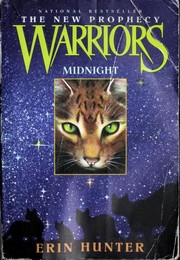
Second arc, book one: four cats from four clans are sent to the sun-drown-place. Start the arc here — it changes the point of view from one cat to a rotating group, which is how every later arc is written.

Second, taking the travellers into the mountains and introducing the Tribe of Rushing Water. It widens the world beyond the clans for the first time.

Third, and the book where the forest is destroyed and the Great Journey begins. The single biggest event in the series; it needs the two books before it to carry any weight.
Finish The New Prophecy
IntermediateComplete the second arc and arrive at the lake territories, which are the setting for everything that follows.
▸ Study plan for this stage
Pace: Two to three weeks for 960 pages — Starlight 321, Twilight 336, Sunset 303. Starlight is the most political book of the arc and the slowest, since it is largely about dividing new land and finding a new Moonstone; the two after it move faster. Sunset is a second real stopping point: it resolves the
- Settlement as a political problem — dividing unclaimed land among four clans with no precedent to appeal to
- The new Moonstone and the re-establishment of religious practice after displacement
- Outside threats at the lake, and how a new territory produces new dangers rather than inheriting the old ones
- The Leafpool and Squirrelflight storyline as the series' longest-running consequence, still being paid off arcs later
- Romantic plots inside a code that restricts them, and the collisions that produces
- A second legitimate stopping point, and what continuing past it actually commits you to
- The clans divide new land with no established borders. What principle do they end up using, and is it fair?
- Starlight has more talking and less action than any book so far. Does the series carry that, and what does it reveal about its strengths?
- The badger attack in Twilight comes from outside clan politics entirely. How does the arc use external threats differently from internal ones?
- The Leafpool and Squirrelflight resolution shapes three later arcs. Reading it here, can you see why it had that reach?
- Two complete arcs in — twelve books — what has the series done best, and what has it repeated?
- Draw the lake territories as they are settled and set the map beside your forest map; the two together are the series' geography and everything after this uses the second one.
- List the arguments each clan makes for the land it claims in Starlight, and judge them; the book leaves the judgement to the reader.
- Update the family tree of the first arc's cats through to this arc's protagonists — the generational link is the reason this arc exists.
- Write a paragraph deciding whether to continue past Sunset, listing what you would be signing up for: five more arcs, dozens of super editions and a set of manga.
Next up: The final stage explains how the standalone super editions and the later arcs fit around the main line, so you can carry on through the rest of the series without a path.

Fourth: the clans have arrived and now have to divide new land and find a new Moonstone. The most political book of the arc.

Fifth, with badgers, a new threat from outside and the arc's romantic plots coming to a head. Note that this is Erin Hunter's Warriors volume, not Stephenie Meyer's novel of the same name.

Sixth and the arc's conclusion, resolving Leafpool and Squirrelflight's storyline in a way the next three arcs keep returning to. A second real stopping point.
Super Editions and the Third Arc
IntermediateLearn how the standalone super editions and the later arcs fit around the main line, and take the first step into the rest of the series on your own.
▸ Study plan for this stage
Pace: Three to four weeks for 1,429 pages, the heaviest stage on the path because two of the three books are super editions and those are much longer than the main-line volumes: Firestar's Quest is 540 pages and Bluestar's Prophecy 538, against The Sight's 351. Budget accordingly — either of the super edi
- What a super edition is — a longer standalone that reframes a character or fills a gap, rather than advancing the main line
- Reading order versus chronological slot for supplementary volumes, and why placement by knowledge beats placement by date
- SkyClan and the fifth clan's erasure as a piece of history the main line had only alluded to
- Retrospective narration: Bluestar's Prophecy retells events you already know from the side that concealed them
- The overall structure of Warriors — seven main arcs, super editions, novellas and manga — and how to navigate more than a hundred volumes
- Why no reading path can cover the whole series, and what a spine is for
- Firestar's Quest sits chronologically between arcs one and two but is read after arc two. Test the claim that it spoils nothing — does it?
- Bluestar's Prophecy retells events from the first arc. Which of her decisions do you now read completely differently?
- What does the existence of SkyClan change about how you read the four clans' history?
- The Sight starts a third arc with a new generation. What has become formula by now, and does the series acknowledge it?
- Given seven arcs and dozens of supplements, how would you decide what to read next? State a rule you could actually follow.
- Build a single sheet listing the arcs in order with the super editions slotted at their chronological points; that sheet is the map for the rest of the series and this path exists to let you make it.
- After Bluestar's Prophecy, reread the chapter of A Dangerous Path covering her unravelling and note what the super edition has added to it.
- Add SkyClan to your territory maps and mark what the four-clan version of the history had left out.
- Decide in writing which arc you are reading next and why, using the structure you have now learned rather than publication order — this is the point at which the path hands over.
Next up: This is the end of the path: the two founding arcs read straight through, two super editions, and the doorway into the third — the series continues for four more arcs from here and the structure you have mapped is what you navigate it with.

The first super edition — a longer standalone set between the first and second arcs, restoring the lost SkyClan. Read it after arc two rather than in its chronological slot: it spoils nothing, and it makes more sense once you know the clans well.

The second super edition and the best one: the whole life of the leader who dies in the first arc, told from her side. Read it here for the reason super editions exist — they reframe a character you already grieved.
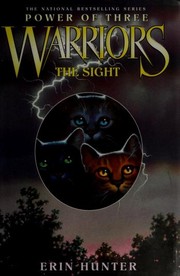
The first book of Power of Three, the third arc, following Firestar's grandchildren. Included as the doorway to the rest: from this point the series continues through four more arcs, dozens of super editions and a set of manga, and the structure you have learned here is the map for all of it.
Discussion
Keep reading
Paths that share books, cover the same subject, or open a related topic.