Learn trumpet: the best beginner method and technique books
This curriculum takes a complete beginner from first sounds on the trumpet to a confident, technically grounded player. Each stage builds directly on the last — starting with physical fundamentals (embouchure, breathing, posture), moving through structured method work and tone development, and finally arriving at advanced technique and musicianship resources that will serve the player for years.
First Sounds & Fundamentals
BeginnerUnderstand how the trumpet works, form a correct embouchure, develop basic breathing technique, and produce a centered, steady tone on the instrument.
▸ Study plan for this stage
Pace: 4–5 weeks, ~15–20 pages/day, with 3–4 practice sessions per week on the instrument
- How the trumpet produces sound: the role of the mouthpiece, valves, and bell in creating and projecting tone
- Embouchure formation: correct lip positioning, tension, and seal required for consistent sound production
- Breathing technique: diaphragmatic breathing, breath support, and breath control for sustained playing
- Producing a centered, steady tone: the relationship between embouchure, airflow, and pitch stability
- Valve mechanics and fingering basics: understanding how valves lower pitch and the foundational fingering patterns
- Posture and hand position: proper alignment and instrument hold to enable efficient playing
- The importance of warm-up and cool-down routines to build endurance and prevent injury
- What are the three main components of the trumpet that work together to produce sound, and what is the function of each?
- How should your lips be positioned and tensioned to form a correct embouchure, and why is consistency important?
- Explain the difference between shallow breathing and diaphragmatic breathing, and why the latter is essential for trumpet playing.
- What does a 'centered tone' mean, and what three factors (embouchure, air, and valves) must work together to achieve it?
- How do the three valves on a trumpet work to lower pitch, and what are the basic single-valve fingerings?
- What posture and hand position should you maintain while playing, and how does this support tone production?
- Perform daily embouchure drills: form the embouchure without the trumpet, hold for 10–15 seconds, relax, and repeat 5 times to build muscle memory and consistency.
- Practice long tones: play a single note (e.g., second-line G) for 4–8 counts without the trumpet, focusing on a steady, centered tone and even airflow.
- Conduct breathing exercises: practice diaphragmatic breathing away from the instrument (hand on belly to feel movement), then apply it to 5–10 minutes of breathing-only valve exercises.
- Perform valve drills: practice pressing each valve individually and in combinations (1, 2, 3, 1–2, 1–3, 2–3, 1–2–3) without blowing, to develop finger dexterity and muscle memory.
- Record yourself playing simple scales or single notes and listen back to identify tone quality, pitch stability, and embouchure consistency issues.
- Establish a warm-up and cool-down routine (5–10 minutes each) and practice it daily to build endurance and prevent fatigue-related tone problems.
Next up: This stage establishes the physical and mechanical foundation needed to play the trumpet reliably; the next stage will build on this foundation by introducing scales, simple melodies, and the coordination required to move between notes with precision and musicality.

A friendly, jargon-free introduction to the trumpet that covers instrument anatomy, how to hold it, how to buzz, and how to make your first sounds — ideal as the very first book before any method work begins.
Building the Method Foundation
BeginnerDevelop reliable fingering across the full beginner range, read music fluently at a basic level, and establish daily practice habits through structured exercises.
▸ Study plan for this stage
Pace: 4–6 weeks, ~15–20 minutes daily practice with 3–4 focused practice sessions per week
- Consistent fingering patterns for notes across the full beginner range (low B♭ through high D/E♭)
- Reading standard notation fluently in treble clef with proper rhythm recognition
- Breath control and air support for sustained, even tone production
- Articulation techniques (tonguing) and their notation in sheet music
- Valve coordination and finger independence to execute passages cleanly
- Daily structured practice routines that build endurance without injury
- Dynamics and expression markings and how they affect phrasing
- Can you play all notes from low B♭ through high E♭ with consistent fingering and clear tone?
- How do you read and execute common rhythmic patterns (quarter notes, eighth notes, half notes, whole notes) at a steady tempo?
- What is the difference between tongued and slurred articulation, and how do you produce each?
- How do you structure a 15–20 minute daily practice session to improve tone, accuracy, and endurance?
- What do dynamic markings (p, mf, f) and tempo indications mean, and how do you apply them while reading?
- Can you identify and correct common fingering errors that cause squeaks or missed notes?
- Daily long-tone exercises: hold each note in the beginner range for 4–8 counts, focusing on steady air and consistent embouchure
- Scale and arpeggio drills from *Standard of Excellence Enhanced Book 2*: play all major scales in the beginner range at a slow, controlled tempo
- Sight-reading practice: work through 2–3 new short melodies from the book each practice session without stopping
- Rhythm reading drills: clap or count rhythmic patterns from the book before playing them, emphasizing accuracy over speed
- Articulation studies: play the same passage with tongued and slurred articulation to develop control and muscle memory
- Duet or ensemble pieces from the book: play with a partner or backing track to develop listening skills and timing
- Weekly tempo progression: select one piece and gradually increase the tempo by 5–10 BPM each week while maintaining accuracy
Next up: This stage establishes the technical and reading foundation needed to tackle more complex rhythms, extended range, and stylistically diverse repertoire in the next level.

A step up from Essential Elements, this method introduces more musical variety and slightly more demanding technical exercises, reinforcing and expanding what was learned in Stage 1.
Tone, Breathing & Embouchure Mastery
IntermediateDeeply understand the mechanics of breath support and embouchure, and apply that understanding to produce a rich, resonant tone with consistent control across registers.
▸ Study plan for this stage
Pace: 4–5 weeks, ~25–30 pages/day, with 2–3 days per week dedicated to applied practice and embouchure/breathing exercises
- Embouchure formation: the relationship between lip tension, aperture size, and pitch control across registers
- Breath support mechanics: diaphragmatic breathing and sustained air pressure as the foundation for tone production
- The role of the air stream in shaping tone quality: resonance, projection, and tonal consistency
- Register transitions: how embouchure adjustments and breath support work together to navigate high and low registers smoothly
- Mental imagery and physical sensation: connecting visualization to actual muscular control in breathing and embouchure
- Systematic warm-up and practice routines: building sustainable habits that reinforce proper mechanics
- Common embouchure and breathing faults: identifying and correcting tension, shallow breathing, and inefficient air use
- What is the relationship between diaphragmatic breath support and consistent tone production across different registers?
- How does embouchure aperture size change when moving between low and high registers, and why is this adjustment necessary?
- What does Farkas mean by 'concept of the sound,' and how does mental imagery influence physical embouchure control?
- How can you distinguish between tension-based embouchure problems and breath-support deficiencies, and what are the corrective strategies for each?
- What are the key breathing exercises from 'The Breathing Gym,' and how do they translate to improved trumpet playing?
- How should you structure a daily warm-up routine that integrates proper breathing and embouchure mechanics before moving to repertoire?
- Long tones on a single pitch (e.g., concert B♭) for 30–60 seconds, focusing on steady air pressure and embouchure stability; repeat across the range
- Breathing gym exercises from Pilafian's book: practice the foundational breathing patterns (e.g., sustained exhalation, rhythmic breathing) for 10–15 minutes daily, away from the trumpet
- Slur exercises across registers (low to high and back) without changing embouchure tension, isolating the role of air stream and aperture adjustment
- Octave jumps with a focus on embouchure response: play a low note, then jump to the octave above while maintaining consistent air pressure and mental concept
- Buzzing exercises (lips vibrating without the trumpet) to develop embouchure flexibility and air-stream awareness
- Record yourself playing a simple melody (e.g., a scale or familiar tune) and listen critically for tone consistency, register transitions, and any signs of tension or air leakage
- Practice Farkas's 'concept of the sound' exercise: sing or imagine the desired tone quality before playing, then match it on the trumpet
- Slow-scale practice (whole notes or half notes) in all registers, pausing between notes to assess breath support and embouchure position
Next up: This stage establishes the physical and mental foundation for tone production, preparing you to apply these mechanics to advanced articulation, tonguing techniques, and stylistic interpretation in the next stage.

The definitive scientific and practical guide to brass embouchure; Farkas breaks down exactly how the lips, air, and mouthpiece interact — essential reading for any serious brass player at this stage.
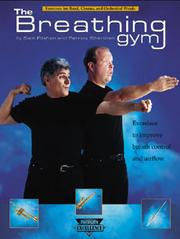
Co-authored with Patrick Sheridan, this book and its exercises train the breathing muscles specifically for brass playing, directly addressing the breath support that underpins tone quality and endurance.
Technical Development & Range
IntermediateExpand range, refine articulation, and build the technical fluency needed to play musically demanding repertoire with confidence and consistency.
▸ Study plan for this stage
Pace: 8–10 weeks, ~45–60 minutes daily (split between Arban's exercises and Clarke studies)
- Progressive range expansion through systematic exercises (Arban's scales, arpeggios, and interval studies)
- Articulation refinement: single-tonguing, double-tonguing, and triple-tonguing techniques with clarity and control
- Breath management and support for sustained passages and dynamic control across the extended range
- Technical fluency through Clarke's etudes: developing speed, accuracy, and musical phrasing in challenging passages
- Intonation consistency across the full range, especially in the upper register and during rapid passages
- Endurance building: maintaining tone quality and precision during extended practice sessions and longer repertoire
- Musical interpretation: applying technical mastery to shape phrases, control dynamics, and express musical intent
- How do Arban's scale and arpeggio exercises systematically expand your range, and what breathing strategies support this expansion?
- What are the differences between single-tonguing, double-tonguing, and triple-tonguing, and when should each be applied in musical contexts?
- How do Clarke's etudes develop technical fluency, and what specific challenges do they present compared to Arban's more foundational studies?
- How can you maintain consistent intonation and tone quality when playing in the upper register or at rapid tempos?
- What role does breath support and air speed play in achieving clarity during articulation exercises and fast passages?
- How do you apply the technical skills from Arban's and Clarke's studies to musically demanding repertoire with confidence?
- Daily warm-up: Work through Arban's long-tone exercises and lip-flexibility studies to establish breath support and tone production
- Scale and arpeggio mastery: Complete Arban's major and minor scales, arpeggios, and interval studies across the full range, focusing on even articulation and intonation
- Articulation drills: Practice Arban's single-tonguing, double-tonguing, and triple-tonguing exercises at gradually increasing tempos, recording yourself to monitor clarity and consistency
- Clarke etude progression: Work through Clarke's Technical Studies systematically, starting with lower-numbered etudes and advancing as technical control improves; aim for musical phrasing, not just mechanical accuracy
- Range extension: Use Arban's high-note and low-note studies to safely expand your range, focusing on maintaining tone quality and intonation at the extremes
- Endurance building: Perform extended passages from Arban's and Clarke's studies without stopping, gradually increasing duration to build stamina for demanding repertoire
Next up: This stage equips you with the technical foundation and expanded range necessary to tackle advanced repertoire and stylistic interpretation, preparing you to focus on musical expression and performance mastery in the next stage.

The 'Bible' of trumpet playing — a comprehensive collection of scales, arpeggios, double-tonguing, triple-tonguing, and variations that every serious trumpet player works through; introduced here once the player has the foundational technique to benefit from it.

Clarke's finger-and-tongue coordination studies are a legendary daily workout that builds speed, evenness, and endurance; they pair perfectly with Arban as a focused technical supplement.
Musicianship & Long-Term Mastery
ExpertDevelop a personal musical voice, understand the broader context of trumpet artistry, and acquire the mental and physical strategies needed for lifelong improvement.
▸ Study plan for this stage
Pace: 6–8 weeks, ~25–30 pages/day, with 2–3 days per week dedicated to reflective practice and integration
- Developing a personal musical voice through intentional interpretation and stylistic choices
- Understanding the historical and cultural contexts that shaped trumpet repertoire and performance traditions
- Applying systematic practice methodologies to overcome technical plateaus and refine artistry
- Building mental resilience and managing performance anxiety through psychological preparation
- Creating a sustainable long-term practice philosophy that balances technical mastery with musical expression
- Analyzing the relationship between physical technique and artistic intent in professional trumpet performance
- Designing individualized practice routines that address specific weaknesses while maintaining overall musicianship
- How do you identify and develop your personal musical voice on the trumpet, and what role does stylistic study play in this process?
- What are the key principles from Sherman's Trumpeter's Handbook for maintaining long-term technical and artistic growth?
- How does Kaplan's approach to practice structure differ from traditional methods, and why is deliberate practice essential for artistic success?
- What mental and psychological strategies does Kaplan recommend for managing performance anxiety and building confidence?
- How can you apply the concepts from both books to design a personalized practice plan that balances technique, musicianship, and artistic development?
- What does it mean to practice 'artistically,' and how does this mindset change your approach to daily trumpet work?
- Read Sherman's Trumpeter's Handbook and create a personal inventory of your current technical strengths and weaknesses; identify 3–4 areas where your playing diverges from your artistic vision
- Study one complete trumpet concerto or major solo work; analyze its historical context, compositional style, and performance traditions, then record yourself performing it with intentional interpretive choices
- Design a 4-week practice schedule using Kaplan's principles: define specific artistic and technical goals, break them into daily micro-objectives, and track progress with measurable outcomes
- Conduct a 'mental performance audit': identify your top 3 performance anxieties, then develop 2–3 psychological strategies from Kaplan's framework to address each one
- Transcribe and analyze a recording of a master trumpeter performing a piece in your repertoire; document their interpretive choices, tone production, and phrasing, then experiment with incorporating elements into your own playing
- Create a 'personal practice philosophy' document (2–3 pages) that synthesizes Sherman's technical wisdom and Kaplan's artistic approach, outlining your long-term vision for trumpet mastery and how you'll sustain improvement over decades
Next up: This stage equips you with the conceptual framework, psychological tools, and personalized practice systems needed to pursue specialized mastery—whether that's chamber music collaboration, solo recital preparation, or advanced repertoire exploration—with both technical precision and artistic authenticity.

A comprehensive reference covering performance practice, pedagogy, and the full scope of trumpet technique — ideal for synthesizing everything learned so far into a coherent, mature approach to the instrument.

A masterclass in the psychology and strategy of effective practice; at this stage, knowing *how* to practice intelligently is what separates good players from great ones, and this book provides that framework.
Discussion
Keep reading
Paths that share books, cover the same subject, or open a related topic.