Tiki Cocktails: The Best Books to Read, in Order
Tiki is a rum discipline wearing a costume: the drinks are built from blended rums, fresh citrus, sugar syrups and spice, and the decoration is the least important part. This path starts with the two modern manuals that will get a good Mai Tai onto your bar, moves to rum itself because blending is where these drinks are won or lost, then to the recipes Jeff Berry spent decades recovering from the original bartenders, then to technique, and finally to the honest history of what the style borrowed and from whom.
Get a real drink on the bar
BeginnerMake a correct Mai Tai, Zombie, Jet Pilot and Painkiller from a small, deliberately chosen bottle set — and understand why crushed ice, fresh lime and a rum blend are not optional
▸ Study plan for this stage
Pace: Three to four weeks, scheduled by drinks made rather than pages read. Set the bar up first: a citrus press, a source of crushed ice — a Lewis bag and mallet is the cheap answer — a jigger you trust, and the ability to make a syrup. Chloe Frechette's Easy Tiki (176 pages) is the whole of week one: ma
- Crushed ice as an ingredient — dilution and chilling rate, not presentation
- Fresh lime as non-negotiable, and what bottled juice does to a sour-forward drink
- The rum blend as the actual recipe: two or three rums doing different jobs in one glass
- Cate's rum classification system, which everything later in the path assumes
- Syrups as specifications — orgeat, falernum, cinnamon, honey mix — with real density differences
- The minimum viable bottle set, and which of Cate's categories you can defer
- What is a Mai Tai actually made of, and which of the common versions is wrong and why?
- What does crushed ice do that cubes do not, and in which of these drinks does it matter most?
- How does Cate classify rums, and what job does each category do in a blend?
- Where does Pietrek disagree with Cate, and is the disagreement about flavour or about money?
- Which drinks in this stage fail without a specific syrup, and can any of them be bought rather than made?
- Make a Mai Tai with a single rum and again with Cate's blend, side by side, and write which difference you could actually taste.
- Make orgeat and falernum from Smuggler's Cove and compare each against a commercial bottle in the same drink.
- Build Pietrek's minimum bottle list, then cross-check how many of Easy Tiki's recipes it covers unmodified.
- Make the same drink with crushed ice and with cubes, taste both immediately and again after five minutes, and record the dilution difference.
Next up: The drinks are on the bar; the next stage is about the ingredient that decides whether they are any good.
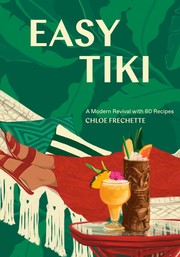
The shortest way in: a slim Punch-imprint book with a tight recipe set and no shopping list that runs to forty bottles. Start here so you are mixing this week rather than reading about it, then move up.

The complete modern manual and the most important tiki book of the century: rum categories, syrup recipes, the history of the bars, and the drinks that define the style. Cate's rum classification system is the framework everything later in this path assumes.

The corrective to Cate's scale: Pietrek argues you can cover most of the canon with a handful of well-chosen bottles, and shows exactly which. Read it immediately after Smuggler's Cove to avoid spending a fortune before you know what you like.
Rum, which is most of the answer
IntermediateDistinguish Jamaican pot-still funk, Demerara, agricole and Spanish-style column rums by taste and understand what each brings to a blend — and know enough of the history to see why the categories are such a mess
▸ Study plan for this stage
Pace: Four to six weeks, paced by tastings rather than by reading. Wayne Curtis's And a Bottle of Rum (304 pages) goes first and reads like narrative history in about ten days; it tells the Americas through ten rum drinks and covers the slave economies the trade was built on directly, which is why rum has
- Pot still against column still, and the ester load that produces Jamaican funk
- Demerara, agricole and Spanish-style column rums as distinct raw materials for a blend
- Why rum labelling is incoherent — the historical reason, which is Curtis's contribution
- Additives, dosage and age statements, and how to read a label sceptically
- Tasting a rum mixed rather than neat, and why that changes the verdict
- Blending as substitution: what to reach for when a recipe names a bottle you do not have
- What produces the funk in a Jamaican pot-still rum, and what does it contribute to a Mai Tai?
- Why is rum categorised so inconsistently across producing countries?
- What do age statements mean for rum, and where are they least reliable?
- Which two rums in your set are most substitutable, and in which drinks would the substitution fail?
- How does Broom's mixed-tasting method change which rums he recommends?
- Taste four rums neat and then the same four in an identical daiquiri; write down where your ranking changed.
- Rebuild one Smuggler's Cove blend using only rums you own and record what the substitution cost.
- Read one label carefully with Minnick beside you and list what the bottle does and does not tell you.
- Make the same Zombie with an agricole substituted for one component and describe precisely what broke.
Next up: With rum understood as an ingredient rather than a brand, the recovered mid-century recipes become buildable instead of copyable.
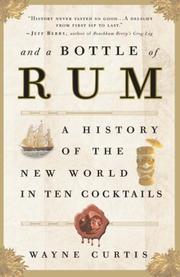
A history of the Americas told through ten rum drinks — slavery, the Royal Navy, Prohibition, and the invention of tiki. Read it first in this stage because it explains why rum has no coherent labelling system, which is the practical problem the next two books work around.

Catalogued as Rum the Manual. Broom tastes his way through the categories systematically and, unusually, tests rums mixed rather than neat — which is how you will actually use them. The most practical buying guide in print.

Minnick is strongest on production — fermentation, still type, ageing and the additives and age statements the industry is coy about. Read it third, as the technical backing for the tasting judgements Broom asks you to make.
The recovered canon
IntermediateWork from the original Don the Beachcomber and Trader Vic formulas rather than later corruptions, and understand how the recipes were lost, coded and eventually reconstructed
▸ Study plan for this stage
Pace: Six weeks, one or two recipes a session. ⚠ Buy order matters: Jeff Berry's Beachbum Berry Remixed has no recorded page count and is the volume that combines and corrects his earlier Grog Log and Intoxica!, so buy Remixed and skip those two — the other two books in this stage, Sippin' Safari and Poti
- Don the Beachcomber's coded spec sheets, and how the recipes were lost in the first place
- The difference between an original formula and the later bar's corruption of it
- House mixes — Don's Mix and its relatives — as the hidden component in many specs
- Caribbean punch traditions as the actual source material for a lot of the canon
- How a recipe is reconstructed from partial evidence, and where Berry says he is guessing
- Which classics were invented mid-century and which were rebranded from older regional drinks
- Why were the original recipes coded, and what did the coding protect?
- What is in a Don's Mix, and how many drinks in Remixed depend on it?
- Where does Berry mark a reconstruction as uncertain, and how should that change how you make it?
- Which drinks in Potions of the Caribbean predate tiki entirely, and what did tiki add to them?
- How does a mid-century original differ from the version served in a bad tiki bar today?
- Make a recovered original from Remixed and its modern common version, side by side, and write down which one you would serve.
- Batch one house mix from Berry and use it across three different drinks in a single session.
- Read Sippin' Safari's account of a specific recovery, then make the drink and judge whether the story changes the taste.
- Make one Caribbean punch from Potions and one tiki drink built on it, and identify exactly what was added.
Next up: You can now reproduce the canon; the next stage is about controlling the variables it silently assumes.
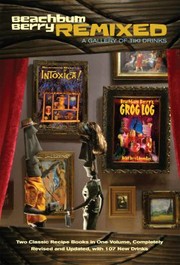
The single most useful recipe collection: Berry's Grog Log and Intoxica! combined and corrected into one volume of several hundred recovered mid-century recipes. Ship-of-record for the canon — buy this one rather than the two earlier books it replaces.

The detective story behind the recipes: Berry tracking down surviving Don the Beachcomber bartenders and decoding the deliberately obscured spec sheets. Read it after Remixed so you know what the finds actually were.

Goes behind tiki to the Caribbean drinking traditions it drew on — planter's punch, swizzles, rum punches from four centuries. The book that shows how much of the exotic bar was reworked from real regional practice.
Technique and the modern tropical bar
IntermediateControl the variables the recipes assume — ice form and dilution, citrus freshness, syrup density, blending versus shaking — and adapt the canon rather than only reproducing it
▸ Study plan for this stage
Pace: Four to five weeks for 608 pages, and the two books belong on the bar at different moments. Dave Arnold's Liquid intelligence (416 pages) is not a tiki book and is the most technically demanding thing in the path: read it at 20 to 30 pages a sitting, and take the ice, dilution and shaking sections f
- Dilution measured rather than guessed, and how crushed ice, flash blending and shaking differ
- Temperature and water content as the two outputs of any chilling method
- Syrup density as a specification, and why a 1:1 and a 2:1 syrup are not interchangeable
- Citrus freshness measured in hours, and how a drink's acid profile drifts
- Building on a template rather than following a recipe, which is Mustipher's method
- Why a Caribbean-forward reading of these drinks produces different specs from an American one
- How much water does a flash blend add compared with a hard shake, and how would you find out in your own bar?
- What happens to a Mai Tai made with lime juiced four hours earlier, and can you compensate?
- Which of your recurring inconsistencies are ice problems and which are measurement problems?
- What does Mustipher change about the classic templates, and what is the reasoning?
- When is blending the right answer and when is it just faster?
- Weigh a drink before and after shaking, blending and stirring, and record the dilution figures for your own bar.
- Make the same drink with syrup at two different densities and taste the difference before adjusting your standard.
- Take one canon recipe and rebuild it as a template — spirit, sour, sweet, spice — then write two new drinks from it in Mustipher's manner.
- Serve the same drink to yourself at three temperatures and decide what your serving temperature actually is.
Next up: With the drinks under control, the path closes by being honest about where the style itself came from.

Not a tiki book, and the best available treatment of the two things tiki lives on: ice and dilution. Arnold measures what crushed ice, flash blending and shaking actually do to a drink's temperature and water content. Read it when your drinks are inconsistent and you cannot say why.

Published as Tiki: Modern Tropical Cocktails. Mustipher writes from a Caribbean-forward position and builds new drinks on the classic templates, which is exactly the next move after the canon. The most useful book here for developing your own specs.
Where the style came from, and what it took
IntermediateAccount honestly for tiki as a twentieth-century American invention that borrowed Polynesian imagery wholesale, and be able to separate the drinks tradition from the décor tradition
▸ Study plan for this stage
Pace: Three to four weeks, and 688 pages that are mostly photographs — schedule this as looking, not reading. Sven Kirsten's The Book Of Tiki (Midsize) (288 pages) is a photographic archaeology of American tiki bars, restaurants and motels, so give it two or three long sessions of looking; there are no re
- Tiki as a postwar American commercial style, not a Polynesian one
- The separation between the drinks lineage and the décor lineage, and the evidence for each
- What was borrowed, from where, and by whom, on Kirsten's photographic record
- The revival and its relationship to the original bars — preservation, pastiche and reinvention
- Why a bar's material culture is historical evidence rather than decoration
- How to enjoy and serve the drinks while being accurate about their origins
- Which elements of a classic tiki bar are Polynesian in origin, which are Caribbean, and which are neither?
- What did the postwar American audience think it was buying, on Kirsten's account?
- How much of the drinks canon survives if you remove the décor tradition entirely?
- What does the photographic record show that a written history would have missed?
- How would you describe this style honestly to someone at your bar, in three sentences?
- Take one classic drink and trace each of its components — rum, citrus, spice, garnish — to a region using Berry, Curtis and Kirsten together.
- Look through Kirsten's plates and list the recurring visual motifs, then check which ones have any Pacific source at all.
- Write a short menu description for a drink you make well that is accurate about both its inventor and its ingredients.
- Serve four people a flight from across this path — one Easy Tiki drink, one Cate blend, one Berry reconstruction, one of your own — and record which they preferred and why.
Next up: The path ends here: from this point the progression is your own house specs, tested against the canon you can now reproduce from memory.
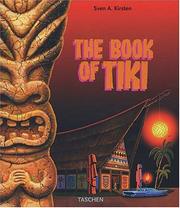
Catalogued as The Book Of Tiki (Midsize). Kirsten's archaeology of American tiki bars, restaurants and motels is the founding work of the revival and largely a photographic record — read it for the material culture, not for recipes.

Published as Tiki Pop: America Imagines Its Own Polynesian Paradise, and the more analytical of Kirsten's books: it treats the whole style as a postwar American fantasy about the Pacific. The right last book, because it makes clear what the drinks are and are not connected to.
Discussion
Keep reading
Paths that share books, cover the same subject, or open a related topic.

