The Golden Age of Piracy: The Best Books to Read, in Order
This curriculum takes you from swashbuckling storytelling all the way to rigorous historical scholarship, building a complete picture of the Golden Age of Piracy (roughly 1650–1730). You'll start with vivid narrative accounts to build intuition and vocabulary, then move into the lives of specific pirates and the Caribbean world they inhabited, and finally tackle the deeper economic, political, and mythological forces that shaped — and distorted — the legends we know today.
Foundations: The World of Pirates
BeginnerBuild a vivid mental map of the Golden Age of Piracy — its timeline, key figures, and the Caribbean setting — through accessible, narrative-driven books.
▸ Study plan for this stage
Pace: 6–8 weeks, ~25–30 pages/day (approximately 3–4 hours per week of focused reading)
- The chronological span of the Golden Age of Piracy (roughly 1650–1730) and its relationship to European colonial expansion and trade wars
- The Caribbean as the primary theater of piracy: geography, trade routes, and colonial settlements that made it vulnerable to raids
- The distinction between privateers, buccaneers, and pirates—and how legal/political circumstances blurred these categories
- Key historical figures and their methods: Blackbeard, Captain Kidd, Henry Morgan, and others—their rise, tactics, and downfall
- The economic and social conditions that drove men to piracy: poverty, naval impressment, and limited legitimate opportunities
- How pirate crews organized themselves: democracy, codes of conduct, and division of plunder
- The decline of piracy through increased naval patrols, colonial governance, and the execution of famous pirates as deterrents
- The distinction between historical fact and legend in pirate narratives, especially in Johnson's accounts
- What were the major causes of the Golden Age of Piracy, and why did it flourish in the Caribbean specifically?
- How did privateering differ from piracy, and why did some privateers become pirates?
- Who were the most significant pirate leaders mentioned in these books, and what made them notable or dangerous?
- What was the typical structure and code of conduct aboard a pirate ship, and how did this compare to naval vessels?
- How did European colonial powers and naval forces eventually suppress piracy, and what role did executions play in this process?
- What can we learn from Captain Charles Johnson's accounts about the reliability of historical pirate narratives?
- Create a detailed timeline of the Golden Age of Piracy (1650–1730) with 15–20 major events, figures, and turning points from both books
- Draw or annotate a map of the Caribbean showing key pirate havens (Port Royal, Tortuga, Madagascar), major trade routes, and colonial settlements mentioned in the texts
- Write character sketches (1–2 pages each) for 5–6 major pirate figures (e.g., Blackbeard, Captain Kidd, Henry Morgan), noting their origins, methods, and fates
- Compile a 'Pirate Code' document by extracting the rules and customs of pirate crews from both books; compare it to the Articles of Agreement mentioned in Johnson
- Create a comparison chart: Privateers vs. Buccaneers vs. Pirates—using specific examples from Cordingly and Johnson to illustrate the differences
- Write a 500-word analytical essay: 'Why did men become pirates?' using evidence from both books about economic desperation, impressment, and social conditions
Next up: This stage establishes the historical scaffolding—the timeline, geography, and major figures—that will allow you to dive deeper into specific pirate narratives, maritime warfare tactics, and the cultural legacy of piracy in the next stage.

The single best starting point: a former National Maritime Museum curator separates pirate myth from reality in clear, engaging prose. It establishes the essential vocabulary, timeline, and cast of characters you'll need for everything that follows.

The 1724 primary source that created the pirate legends — Blackbeard, Bartholomew Roberts, Anne Bonny, and more. Reading it second lets you enjoy the original storytelling while already knowing (from Cordingly) where the myths begin.
The Buccaneers: Pirates of the Caribbean
BeginnerUnderstand the earlier buccaneer era that gave rise to the Golden Age, focusing on the Caribbean as a theater of colonial rivalry and lawless opportunity.
▸ Study plan for this stage
Pace: 4–5 weeks, ~40–50 pages/day (approximately 280–350 pages total across both books)
- The distinction between buccaneers, privateers, and pirates: legal status, sponsorship, and operational differences
- The Caribbean as a contested colonial space where European powers (Spain, England, France, Netherlands) competed for dominance and resources
- How privateering commissions and letters of marque legitimized (or attempted to legitimize) raiding against enemy colonial vessels and settlements
- The socioeconomic conditions that drove men to buccaneer life: displaced sailors, indentured servants, escaped slaves, and economic desperation
- Key buccaneer strongholds and bases: Tortuga, Port Royal, and their role as havens for lawless commerce and recruitment
- The transition from organized privateering to uncontrolled piracy as colonial powers shifted their naval strategies and political alliances
- Exquemelin's first-hand account as a primary source: his perspective as a Dutch buccaneer and the reliability/bias of his testimony
- The cultural and practical aspects of buccaneer life: ship organization, crew hierarchies, articles/codes, and division of plunder
- What were the key differences between a privateer, a buccaneer, and a pirate in the 17th-century Caribbean, and how did these distinctions affect their legal status?
- How did colonial rivalries between Spain, England, France, and the Netherlands create opportunities for buccaneer activity in the Caribbean?
- What role did Tortuga and Port Royal play in the buccaneer economy, and why were they attractive bases for raiders?
- According to Exquemelin's account, what types of men were recruited into buccaneer crews, and what motivated them to join?
- How did privateering commissions and letters of marque function as a gray area between legitimate warfare and piracy?
- What evidence do Marx and Exquemelin provide for the transition from organized privateering to outright piracy by the late 17th century?
- Create a timeline of major buccaneer raids and settlements (1630–1690) using both texts, noting which European power sponsored or tolerated each activity
- Analyze Exquemelin's account of a specific raid (e.g., the attack on Maracaibo or Panama): identify what details suggest first-hand experience versus hearsay, and assess his reliability as a source
- Construct a comparison chart of privateers vs. buccaneers vs. pirates, listing legal status, typical sponsors, geographic bases, and examples from the texts
- Map the Caribbean colonial territories and buccaneer strongholds mentioned in both books; annotate with which European powers controlled each region and how this geography enabled piracy
- Write a short character sketch (300–400 words) of a buccaneer mentioned in both texts (e.g., Henry Morgan, Blackbeard's predecessors) based on details from Exquemelin and Marx
- Examine the 'articles' or crew codes described in either text: what do these reveal about how buccaneers organized themselves and distributed plunder?
Next up: This stage establishes the lawless, decentralized world of Caribbean raiding that will evolve into the more organized, individualistic piracy of the Golden Age proper, showing how the collapse of privateering and the rise of global trade routes created conditions for famous pirates like Blackbeard and Captain Kidd.
A firsthand account by a surgeon who sailed with Henry Morgan and the buccaneers of Hispaniola — the direct predecessors of the Golden Age pirates. It grounds the Caribbean setting in vivid, eyewitness detail.

A solid historical overview of how the Caribbean became a pirate haven, connecting the buccaneer era to the full Golden Age and explaining the colonial politics that made piracy possible and profitable.
The Men (and Women) Behind the Legends
IntermediateDive deep into the biographies of the most iconic pirates — Blackbeard, Bartholomew Roberts, and others — with enough historical context to evaluate the legends critically.
▸ Study plan for this stage
Pace: 6–7 weeks, ~40–50 pages/day (approximately 3–4 hours of focused reading)
- Blackbeard's rise from privateer to legendary pirate: separating myth from documented history through Konstam's biographical lens
- The economic and political conditions that enabled piracy in the early 18th century, particularly the collapse of privateering and colonial instability
- Bartholomew Roberts as a case study in charismatic leadership and the organizational structures of pirate crews (articles of agreement, democratic governance)
- The role of Port Royal, Madagascar, and other pirate havens in creating a functioning pirate republic with its own social codes
- The cat-and-mouse dynamic between pirates and pirate hunters: how Woodes Rogers and Henry Morgan represent different approaches to suppressing piracy
- How individual pirate captains built reputations through violence, psychology, and propaganda to maintain control without formal authority
- The gendered dimensions of piracy: the rare but significant presence of women like Anne Bonny and Mary Read, and what their stories reveal about pirate society
- The decline of the golden age: how improved naval coordination, colonial governance, and the execution of major pirates (Roberts, Blackbeard) ended an era
- What specific historical evidence does Konstam use to distinguish the real Blackbeard from the legend, and where do the two diverge most significantly?
- How did the end of privateering in the early 1700s directly contribute to the rise of piracy, according to Woodard's account in *The Republic of Pirates*?
- What organizational innovations did Bartholomew Roberts implement in his pirate fleet, and how did they differ from Blackbeard's command structure?
- How did pirate havens like Port Royal and Madagascar function as quasi-independent republics, and what role did trade networks play in their survival?
- Compare the strategies of Woodes Rogers and Henry Morgan (as presented in *The Pirate Hunter*): which approach was more effective in ending piracy, and why?
- What do the documented cases of Anne Bonny and Mary Read reveal about gender roles and social mobility within pirate crews?
- Create a detailed timeline of Blackbeard's life (from Konstam) marking the transition points between privateering, piracy, and legend-making; annotate each with primary source quotes where available
- Build a comparative organizational chart of three pirate crews (Blackbeard's, Roberts', and one other from the books), showing hierarchy, decision-making structures, and crew size
- Write a 2–3 page critical biography: choose one pirate from the three books and separate documented facts from legendary embellishments, citing specific passages
- Map the pirate havens mentioned in *The Republic of Pirates* (Port Royal, Madagascar, etc.) and research the trade goods, political alliances, and supply chains that sustained them
- Analyze the articles of agreement from Roberts' crew (discussed in Woodard): identify which rules addressed crew governance, prize distribution, and discipline, then compare to modern organizational bylaws
- Conduct a mock trial: assign roles (pirate captain, pirate hunter, colonial governor, crew member) and debate whether a specific pirate (Blackbeard or Roberts) should be executed or pardoned, using evidence from the texts
Next up: By mastering the individual biographies and organizational structures of the golden age's most famous pirates, you'll be equipped to examine the broader economic, political, and social systems that enabled piracy—setting the stage for analyzing piracy's impact on colonial trade, naval warfare, and the development of international law.
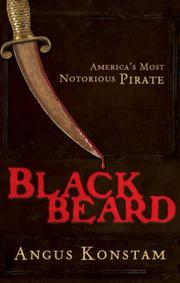
The most thoroughly researched biography of Edward Teach, written by a leading maritime historian. Having read the primary sources first, you can now appreciate how Konstam weighs evidence and dismantles myth.

A gripping narrative history centered on the pirate republic of Nassau — featuring Blackbeard, Sam Bellamy, and Charles Vane — that reads like a novel while remaining scrupulously sourced. It synthesizes everything covered so far.
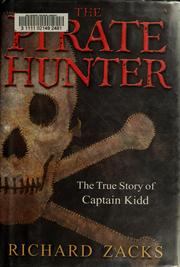
Tells the story of Captain William Kidd and his pursuer, offering a brilliant dual perspective on the line between privateer and pirate — a crucial distinction for understanding the politics of the era.
Pirate Life: Society, Ships, and the Sea
IntermediateUnderstand how pirates actually lived — their ships, codes, social structures, and daily reality — moving beyond biography into social and maritime history.
▸ Study plan for this stage
Pace: 6–8 weeks, ~25–30 pages/day, with 2–3 days per week dedicated to note-taking and reflection
- Pirate crews as democratic, egalitarian societies with written articles and codes of conduct that governed ship life and wealth distribution
- The material conditions of pirate ships: design, weaponry, navigation, and the practical challenges of life at sea
- Piracy as a working-class rebellion against merchant capitalism and naval imperialism, rooted in labor exploitation and economic desperation
- The social hierarchy and roles aboard pirate vessels: captain, quartermaster, carpenter, surgeon, and ordinary crew members
- Pirate recruitment, discipline, and justice systems—how crews maintained order without centralized authority
- The Atlantic world as an interconnected maritime economy that pirates exploited and disrupted
- Gender, race, and nationality in pirate crews: the diversity and exclusions within pirate society
- The decline of piracy through increased naval patrols, colonial consolidation, and the transformation of Atlantic commerce
- How did pirate articles and codes function as a form of democratic governance, and what did they reveal about pirate values?
- What were the material and social conditions that drove ordinary sailors to become pirates?
- How did the social structure aboard a pirate ship differ from that of merchant or naval vessels?
- What role did the quartermaster play in pirate society, and why was this position crucial?
- How did pirates navigate and maintain their ships, and what advantages or disadvantages did pirate vessels have compared to merchant ships?
- What was the relationship between piracy and the broader Atlantic economy of the early 18th century?
- Create a detailed organizational chart of a pirate crew, labeling each role (captain, quartermaster, carpenter, surgeon, bosun, gunner) and describing their specific responsibilities based on Rediker's accounts
- Transcribe and annotate 2–3 actual pirate articles from the book, then write a 500-word analysis of what these rules reveal about pirate priorities and social values
- Build a comparative table contrasting the social hierarchies, pay structures, and governance systems of pirate ships versus merchant vessels versus naval ships
- Map the Atlantic routes and ports mentioned in the book, marking where major pirate operations occurred and identifying the trade networks they targeted
- Write character sketches of 3–4 individual pirates featured in the book (e.g., Blackbeard, Anne Bonny, Henry Morgan), focusing on how their personal circumstances led them to piracy
- Design a pirate ship's layout based on Rediker's descriptions, labeling quarters for different crew ranks and explaining how the physical space reflected social relationships
Next up: This stage grounds you in the lived reality and social structures of pirate communities, preparing you to examine how piracy was prosecuted, mythologized, and eventually suppressed in subsequent stages of the curriculum.
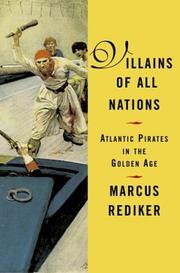
A landmark work of social history arguing that Golden Age pirates were proto-democratic rebels against merchant capitalism. It reframes everything you've read so far through a rigorous economic and class-based lens.
Advanced: History, Myth, and Legacy
ExpertCritically examine how the Golden Age of Piracy has been remembered, romanticized, and used — and situate it within the broader sweep of Atlantic world history.
▸ Study plan for this stage
Pace: 8–10 weeks, ~40–50 pages/day (accounting for Linebaugh's dense prose and extensive footnotes; plan 5–6 reading days per week with reflection days)
- The 'many-headed hydra' as a metaphor for interconnected resistance movements across the Atlantic world—linking pirates, enslaved people, indentured servants, and dispossessed workers
- How piracy functioned as a form of class struggle and anti-capitalist resistance rather than mere criminality or adventure
- The Atlantic world as an integrated system of labor exploitation, colonialism, and maritime commerce that produced piracy as a response
- Linebaugh's archival methodology: reading against the grain of state documents, court records, and official histories to recover subaltern voices
- The role of multiethnic, cross-racial cooperation among maritime workers and the threat this posed to colonial hierarchies
- How piracy was systematized, criminalized, and spectacularized (through executions and trials) to consolidate state and merchant power
- The distinction between romanticized pirate mythology and the material conditions that produced historical piracy
- Continuities between early modern piracy and later forms of working-class and anti-colonial resistance
- What does Linebaugh mean by the 'many-headed hydra,' and how does this metaphor connect piracy to other forms of Atlantic resistance?
- How does Linebaugh argue that piracy should be understood as class struggle rather than individual criminality or romantic adventure?
- What role did multiethnic and cross-racial cooperation play in maritime resistance, and why did colonial authorities view this as particularly threatening?
- How did state and merchant powers use spectacle, law, and execution to criminalize and suppress piracy and maritime resistance?
- What archival and methodological approaches does Linebaugh use to recover the voices and agency of pirates and maritime workers from official records?
- How does situating piracy within the broader Atlantic world system change our understanding of its causes, nature, and legacy?
- Create a visual map or network diagram showing the interconnections Linebaugh traces between pirates, enslaved people, indentured servants, and other Atlantic resistance movements—identify key figures and moments where these groups intersected
- Select one pirate or maritime figure discussed in *The Many-Headed Hydra* (e.g., Blackbeard, Henry Morgan, or a lesser-known crew member) and write a 2–3 page biographical sketch that incorporates Linebaugh's interpretation of their resistance and class position
- Analyze a primary source document (trial record, wanted poster, or official account) that Linebaugh cites, and write a 2–3 page 'reading against the grain' exercise showing how official narratives obscure or distort the subaltern perspective Linebaugh recovers
- Construct a timeline of key pirate trials, executions, and spectacles discussed in the book; annotate each with notes on how state power used these events to consolidate authority and deter resistance
- Write a comparative essay (4–5 pages) examining how Linebaugh's interpretation of piracy as systemic resistance differs from one popular or literary representation of piracy you know (e.g., from film, fiction, or popular history); identify what is gained and lost in each framing
- Develop a research proposal for a follow-up study that applies Linebaugh's methodology to another form of Atlantic resistance or a later period of maritime labor struggle—outline your archival sources and analytical approach
Next up: This stage establishes piracy as a lens for understanding Atlantic world systems of labor, resistance, and state power—preparing you to examine how these historical realities have been mythologized, commodified, and deployed in modern culture, memory, and politics.
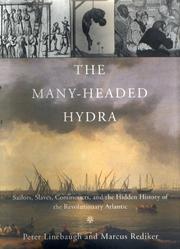
A challenging but rewarding work of Atlantic history that places pirates within the radical, multiracial underclass of the early modern Atlantic world — the deepest scholarly context for everything in this curriculum.
Discussion
Keep reading
Paths that share books, cover the same subject, or open a related topic.