The Demon Cycle Reading Order: Where to Start with Peter V. Brett
Peter V. Brett's five-book cycle is built on a structural gamble that decides how it has to be read: each volume rewinds and retells a stretch of the previous one from a different character's side, so the antagonist of book one becomes the protagonist of book two and the reader is asked to change sides while knowing what is coming. Skip a volume, or read them out of order, and the effect collapses into repetition. This path reads the five in publication order, then places the novellas — which are genuinely optional but fill in the two most-asked-about gaps — and ends with the sequel duology set fifteen years later. One practical note before you buy anything: book one has two titles.
The world, and the first turn
BeginnerLearn the wards-and-corelings premise from the human side, then watch the second book take it apart from the other one.
▸ Study plan for this stage
Pace: Five to six weeks for 1,040 pages, split very unevenly: The Warded Man is 416 pages and The Desert Spear 624, half again as long. Give the first two weeks and the second three to four. Read them in this order and read The Desert Spear all the way through — its first stretch is a Krasian childhood th
- Wards and corelings: demons rising from the ground every night, and painted symbols as the only defence — a premise with hard, checkable rules
- The retelling structure, introduced in book two: the same events from the other side, with the reader asked to change allegiance while knowing what is coming
- Jardir as antagonist and protagonist simultaneously, which is the gamble the whole cycle rests on
- Krasian society presented from inside, with its practices explained by a believer rather than judged by the narrative
- Three childhoods in The Warded Man, and why the cycle keeps returning to how a person is made
- Why skipping or reordering collapses the effect into repetition rather than revelation
- What do the wards actually permit and forbid, and where does book one enforce a limit that costs a character?
- At what point in The Desert Spear did you stop reading Jardir as the villain — and did the book earn the switch or simply outlast your resistance?
- The Krasian childhood section is long. What would be lost by cutting it to fifty pages?
- How does the retelling change a scene you already read from Arlen's side? Pick one and be specific.
- Is Jardir's betrayal presented as excusable, explicable, or neither?
- Pick one scene that appears in both books and write a paragraph on what each viewpoint character notices that the other does not. This is the exercise the entire cycle is built to reward.
- Write out the ward rules from The Warded Man alone, then check them against The Desert Spear. The magic is systematic and it can be audited.
- Before starting book two, write down in one line what you think of Jardir. Date it, and read it again at the end of the cycle.
- Check which edition you are buying. The Warded Man and The Painted Man are one novel under two titles and this is the most common purchasing mistake readers of this series make.
Next up: You have seen the retelling device work once on the series' central antagonist, which is what makes it possible to judge fairly when the next book applies it to someone harder.
Book one, and the only place to start: three children in a world where demons rise from the ground every night and painted wards are the only defence. Published in the United Kingdom as The Painted Man — the two titles are the same novel, so do not buy both.

The book that defines the series. It rewinds and retells much of book one from the point of view of Jardir, the man who betrayed Arlen, and the first two hundred pages are a Krasian childhood that many readers mistake for a digression. Read it second and read it through — everything after depends on accepting this structure.
The war, and the price of the structure
IntermediateFollow the cycle through the volumes where the retelling device is applied to the women of the series, and judge the result honestly.
▸ Study plan for this stage
Pace: Two and a half to three months for 2,240 pages — The Daylight War 632, The Skull Throne 760 and The Core 848, and the books get longer as the cycle goes on. A book a month is the sustainable pace here and it is worth setting deliberately, because this stage is where a five-book series either gets fi
- The retelling device applied to Inevera, and the difference between explaining a character and excusing her
- The cycle's treatment of its women as the thing its readers genuinely disagree about — a live argument, not a settled verdict
- A cliffhanger used structurally rather than commercially, and what The Daylight War is withholding
- The Skull Throne as a pivot: politics without the leads, and what a series gains by removing its protagonists for a volume
- Krasian and Northern politics as two incompatible systems forced into alliance
- The Core as the payoff of four books of accumulated point-of-view work, which is why it cannot be read out of order
- Taking the fight literally underground: the premise inverted at the end
- What does Inevera's viewpoint make available that no other character's could, and what does it fail to answer?
- Where do you land on the cycle's handling of its women? Make the strongest case for the other side before answering.
- The Skull Throne removes its leads for most of its length. Does the political material justify the absence?
- What in The Core would be meaningless to a reader who had skipped The Desert Spear?
- Having finished, was the retelling structure worth what it cost in pace and repetition?
- Set a monthly pace before starting The Daylight War and write it down. This stage is 2,240 pages and it is where readers of this cycle stop.
- Read the last chapter of The Daylight War and go straight into The Skull Throne without a break, even if you then slow down. The cliffhanger is the series' worst place to pause.
- Track a single Krasian political faction from The Desert Spear through The Skull Throne and note where its position was established. The politics are laid much earlier than they appear.
- After The Core, go back to the one-line judgement of Jardir you wrote in stage one and rewrite it. The gap between the two lines is what the cycle was built to produce.
- List the events that get retold across the five books and count how many times each is revisited. Deciding whether that is depth or repetition is the honest verdict on this series.
Next up: The main cycle is closed, so the novellas can be read as genuine extras rather than as gaps you are waiting to have filled.
The same move again, this time for Inevera, and the volume where the cycle's treatment of its women becomes the thing readers argue about. It also ends on the series' hardest cliffhanger, so do not stop here.
The one book that breaks the pattern: it moves forward rather than rewinding, and it spends most of its length on Krasian and Northern politics with the two leads largely off the page. Read it as the pivot it is rather than as a disappointment.
The finale, which takes the fight literally underground and resolves the whole cycle. It is long and it is the payoff for four books of accumulated point-of-view work, so it cannot be read out of order.
The novellas, if you want them
IntermediateFill the gaps the novels leave, and decide which side characters are worth following.
▸ Study plan for this stage
Pace: A week or two, and this whole stage is optional. Messenger's Legacy is 124 pages and is the closest to required of the four — it establishes Briar Damaj, who becomes a significant character in The Skull Throne and The Core, so read it after The Daylight War if you are reading in strict order, or her
- Briar Damaj's origin, and the one piece of novella material the novels genuinely assume
- Arlen as a young messenger, filling the most-asked-about gap in book one without changing anything
- Selia Barren's story as a coda: Tibbet's Brook after the cycle, and the best-written of the four
- What a novella can do in a series like this — depth on a side character, never plot the novels need
- Combined volumes and duplicate purchases, a recurring hazard when a series' short fiction is repackaged
- How to decide whether short fiction in a long series is worth your time
- Does knowing Briar's origin change how The Skull Throne reads, or only how quickly you recognise him?
- What do the early Arlen novellas add that the novels chose not to include, and can you see why they were cut?
- Barren is written after the cycle ended. What does that let it do that a mid-series novella could not?
- Which of these would you call required, and which purely optional? Defend the line you draw.
- Are the novellas better prose than the novels? If so, what does that suggest about the cycle's length?
- Read Messenger's Legacy and then reread Briar's introduction in The Skull Throne. That pairing is the clearest test of whether a novella is doing real work.
- Check the contents page before buying. The combined volume already holds both early novellas, and buying the standalone as well is the standard mistake here.
- Read Barren last and write one paragraph on what it says about Tibbet's Brook that the first book did not. A coda that reframes the opening is rarer than it sounds.
Next up: With the cycle and its short fiction complete, the only thing left is the next generation — and the question of how much of all this you actually need to have kept.

Arlen as a young messenger on a mountain run, set between chapters of book one. The record we hold is the combined volume The Great Bazaar and Brayan's Gold, which collects this novella with the other early one — buying it gets you both, so no separate Great Bazaar purchase is needed.

Briar Damaj's story, and the one novella that is close to required: he becomes a significant character in The Skull Throne and The Core, and this is where he is established. Read it after The Daylight War.

Selia Barren's novella, published after the cycle finished and set largely in Tibbet's Brook. It is the best-written of the four and works as a coda — read it after The Core.
The sequel duology
IntermediateContinue into the next generation and see how much of the original cycle you need to have kept.
▸ Study plan for this stage
Pace: Six to eight weeks for 1,264 pages: The Desert Prince at 656 and The Hidden Queen at 608, read in that order. The Desert Prince is set a generation after The Core and follows the children of the original leads, and Brett wrote it to be readable cold — but the emotional weight of every returning name
- A generational sequel: children of the original leads carrying a world their parents changed
- Written to be readable cold, and the difference between following a plot and feeling a return
- How the world has moved on — what the resolution of The Core actually settled and what it did not
- New protagonists tested against the enormous shadows of Arlen and Jardir
- An unfinished sequence as a known condition rather than a surprise
- Where to stop: the difference between a series' ending and its current frontier
- Which returning name landed hardest, and what specifically from the original five books gave it that weight?
- Is The Desert Prince genuinely readable cold? Test it by asking what a new reader would misread.
- What has the world of The Core turned into, and is the change consistent with how that book ended?
- Do the new leads have a problem of their own, or are they solving their parents' one again?
- Knowing the sequence is unfinished, was starting it the right call for you?
- Before opening The Desert Prince, write two lines on what you expect the world to look like a generation on. It is the most direct way to check whether the sequel is consistent with the cycle you read.
- Note every returning character and mark whether the sequel explains them or assumes them. The ratio is the honest answer to the readable-cold claim.
- After The Hidden Queen, decide explicitly whether you are waiting for the next book or treating The Core as your ending. Both are legitimate, and a reader who has just finished seven volumes deserves to choose rather than drift.
Next up: This is the end of the path: the five-book cycle is read in the only order that makes its structure work, the novellas are placed, and the sequel duology is read to the current frontier.
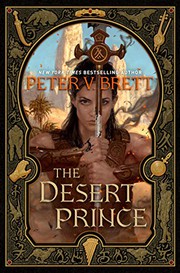
Set fifteen years after The Core and following the children of the original leads. Brett wrote it to be readable cold, but the emotional weight of every returning name depends on the five books before it.

The second and current volume of that sequence, and the end of the published Demon Cycle world. It closes this path at the frontier — the story is not finished, and it is fair to know that before starting the duology.
Discussion
Keep reading
Paths that share books, cover the same subject, or open a related topic.