Best Books on Stone Carving, in Reading Order
This curriculum is designed for an intermediate learner who already has some hands-on experience and wants to go deep into stone carving — from selecting the right stone and tools, through direct carving and modelling approaches, to refined surface finishing. The three stages move from solidifying core technical knowledge, to mastering sculptural method and form, and finally to advanced surface work and artistic vision drawn from master practitioners.
Direct Carving & Modelling
IntermediateUnderstand the philosophical and practical differences between direct carving (subtractive truth-to-material) and modelling-then-transferring, and develop a personal working method.
▸ Study plan for this stage
Pace: 4–5 weeks, ~25–30 pages/day, with 2–3 dedicated carving/modelling sessions per week
- The distinction between modelling (additive, building up form) and direct carving (subtractive, revealing form from material)
- Lanteri's anatomical foundation: how understanding human structure informs both modelled and carved work
- The role of the maquette (small model) as a planning tool before committing to stone or wood
- Material sensitivity: how the properties of clay, stone, and wood demand different approaches and decision-making
- Gesture and proportion in the human figure as the bridge between conceptual modelling and physical carving
- The practical workflow: from sketch to modelled form to transfer methods (pointing, scaling, tracing) to final carving
- Truth-to-material philosophy: accepting and celebrating the constraints of direct carving rather than fighting them
- What are the core philosophical differences between modelling and direct carving, and why might a sculptor choose one method over the other?
- How does Lanteri use anatomical study to strengthen both modelled and carved work?
- What is the purpose of a maquette, and how does it serve as a bridge between conception and execution in stone or wood?
- Describe the practical steps involved in transferring a modelled form to a block of stone or wood—what methods does Lanteri discuss?
- How do the material properties of clay, stone, and wood shape the decision-making process during carving?
- What does 'truth-to-material' mean, and how can a carver embrace rather than resist the constraints of their chosen material?
- Model a small human head or torso (3–4 inches) in clay following Lanteri's anatomical proportions; focus on understanding form through additive building
- Create a detailed maquette (sketch model) of a simple human figure in a dynamic pose, then write notes on how you would approach carving this same pose directly in stone or wood
- Carve or model a simplified human hand or foot in stone or wood, paying close attention to how the material itself suggests or constrains the final form
- Study a cast or photograph of a classical figure, then produce both a modelled version (in clay) and a direct-carved version (in soapstone or soft wood) of the same pose to experience the workflow differences firsthand
- Practice a transfer method: create a small clay model, then use a simple pointing or scaling technique to transfer key proportions to a stone or wood block
- Document your own working method in a sketch journal: after each carving or modelling session, record what you learned about material behavior, anatomical accuracy, and decision-making
Next up: This stage equips you with both the anatomical literacy and the practical workflow to move into specialized carving techniques—whether stone-specific approaches, wood-carving traditions, or advanced figure composition—with a clear understanding of when and why to model first versus carve directly.
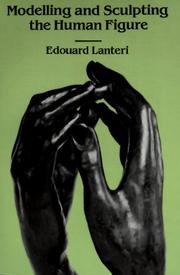
A classic modelling manual; reading it alongside direct-carving texts clarifies exactly what is gained and lost when translating a clay model into stone, sharpening decision-making at the design stage.
Refining Form & Surface Finishing
ExpertMaster the full range of surface treatments — from tooth-chisel texture to high polish — and understand how finishing choices express artistic intent.
▸ Study plan for this stage
Pace: 4–5 weeks, ~25–30 pages/day. Week 1–2: "The Sculptor's Bible" (foundational techniques); Week 3: "The Sculptor's Bible" finishing chapters; Week 4–5: "Brancusi" (artistic application and philosophy of surface treatment)
- Progressive surface texturing techniques: tooth chisel, claw chisel, and point tool applications for controlled mark-making
- Transition pathways from rough texture to refined surfaces—understanding the sequential logic of finishing stages
- Polish methods and materials: abrasives, compounds, and hand-finishing techniques that achieve different aesthetic outcomes
- How surface finish communicates artistic intent and emotional content in sculptural work
- Brancusi's philosophy of essential form and his distinctive finishing approach—simplification through surface refinement
- The relationship between material properties (stone type) and appropriate finishing techniques
- Aesthetic and conceptual differences between textured, semi-finished, and highly polished surfaces
- What are the primary differences between tooth-chisel, claw-chisel, and point-tool marks, and when would you choose each based on your artistic goals?
- Describe the sequential stages of moving a stone surface from rough to polished, and explain why skipping stages typically fails.
- How did Brancusi's approach to surface finishing differ from traditional sculptural practice, and what artistic philosophy drove these choices?
- What role does the type of stone (hardness, grain structure) play in determining which finishing techniques are most effective?
- How can a sculptor use surface texture and polish strategically to direct viewer attention and convey emotional or conceptual meaning?
- What finishing techniques in 'The Sculptor's Bible' directly influenced or relate to Brancusi's working methods?
- Practice the full progression on a small stone block: start with point tool marks, move to claw chisel texture, then tooth chisel refinement, and finish with progressive abrasive polishing—photograph each stage to document the visual transformation
- Carve three identical small forms from the same stone type and finish each differently (rough texture, semi-polished, high polish); compare how the same form reads completely differently depending on surface treatment
- Study high-resolution images of Brancusi sculptures from the book and identify his finishing choices; write a one-page analysis of how each surface treatment supports the work's conceptual intent
- Create a 'finishing samples' reference board with actual stone pieces showing different tool marks and polish levels, labeled with the tools and techniques used—a tactile study guide
- Carve a simple geometric form (sphere or egg shape) and practice achieving a mirror polish using only the abrasive and hand-finishing methods described in 'The Sculptor's Bible'
- Analyze the relationship between stone type and finish by comparing how limestone, marble, and granite respond differently to the same finishing techniques—document with photos and notes
Next up: This stage equips you with mastery of surface language—the technical and aesthetic vocabulary of finishing—preparing you to explore how sculptors combine refined surfaces with complex spatial composition and monumental scale in subsequent work.
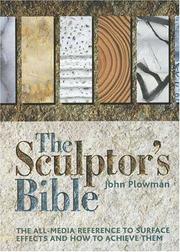
A comprehensive reference covering finishing materials and methods across stone types; best read at this stage when the carver has enough experience to apply the nuanced surface advice.

A deep study of the master who elevated stone surface finish to an art form in itself; examining Brancusi's process and philosophy challenges the advanced carver to think about finish as meaning, not mere polish.
Discussion
Keep reading
Paths that share books, cover the same subject, or open a related topic.