Penelope Lively in Order: Where to Begin with Her Novels
Lively has written for adults and for children across fifty years, so a search on her name returns a bewildering mix and new readers often start with a children's book by accident. This path stays with the adult fiction and puts the Booker winner first, because it is also the best statement of her one great subject: how memory holds history.
Start here
BeginnerBegin with the Booker winner, which is also her most formally interesting book.
▸ Study plan for this stage
Pace: One week for 208 pages, around 30 pages a sitting. Moon Tiger switches person and period constantly, so stop at a section break rather than mid-scene or you will lose the thread.
- Claudia Hampton proposing to write a history of the world and writing her own life instead
- The same scene replayed from another participant's point of view
- The Egyptian desert war and Tom as the withheld centre
- Memory presented as simultaneous rather than sequential
- The 1987 Booker winner and the most formally ambitious book she wrote
- The mosquito coil of the title as the book's governing image
- Whose voices interrupt Claudia's, and what does each correction do to her account?
- How does the novel handle Tom's storyline, and why is it withheld as long as it is?
- What is Claudia's relationship with Gordon, and how does the book present rather than judge it?
- What does the title object mean by the end?
- Where does Claudia lie, and how do you know?
- Mark every point-of-view switch in the first fifty pages and note who takes over each time
- Reread the Egypt sections consecutively, out of the novel's order, then decide what the interleaving buys
- Write Claudia's life out in chronological order and compare that with the order in which you received it
Next up: Moon Tiger states her subject outright, which makes it easy to see the three later novels working the same seam in quieter forms.
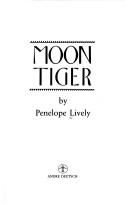
A dying historian narrates her own century, refusing to do it in order. It won the Booker in 1987 and it is the one to read if you read one.
The novels of accident and consequence
BeginnerContinue with the books that work the same seam.
▸ Study plan for this stage
Pace: 4-5 weeks, roughly a novel every ten days. They work the same material deliberately, so leave a gap between them rather than reading all three straight through.
- A discovered object detonating the past, as the photograph does
- A person reconstructed retrospectively by the people left behind
- Consequences carrying three generations from 1935 onward on one inherited decision
- Family Album's house and the secret everyone half-knows
- Multiple viewpoints assembling a truth no single character holds
- The past as something still operating rather than something over
- Who knew what about Kath, and at what point do you know more than any character in the book?
- How does Consequences hand its story from one generation to the next?
- What does everyone in Family Album half-know, and how is it kept unstated for so long?
- What do the three novels share structurally, and where does each vary it?
- Which of them is least willing to let its characters off?
- Write a one-paragraph account of Kath from the evidence available before the final chapters of The Photograph, then compare it with the book's
- Chart the Consequences family across all three generations with dates beside each
- Note each Family Album viewpoint chapter and what only that character knows
- Read the opening pages of all three back to back; each begins with an ordinary thing about to be reread
Next up: After three novels on the same seam, an earlier and much funnier book shows how long she had been circling it.
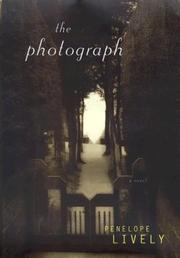
A man finds a photograph of his dead wife holding another man's hand, and the past reorganises itself around it.
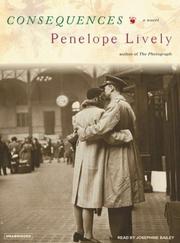
Three generations of women from 1935 onward, each shaped by a decision made before they were born.
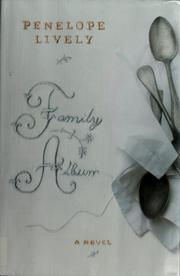
A large house, six children and a secret everyone half-knows. The most quietly unsettling of them.
The earlier novel
IntermediateOne from before the Booker, for the range.
▸ Study plan for this stage
Pace: About a week for 221 pages. According to Mark is comic and lighter than the others and reads quickly.
- The biographer as a comic figure
- What biography does to its subject, and what it does to the biographer
- The pre-Booker Lively: the same preoccupation, a different tone
- Falling for the subject's granddaughter as both plot and joke
- A comedy of manners set in the 1980s English literary world
- Archive material as the novel's engine
- What does Mark want from his subject, and what does he actually get?
- Where does the novel side with biography, and where against it?
- How is this book's treatment of the past different from Moon Tiger's?
- What is comic here that would be painful in The Photograph?
- Does the comedy soften the argument or sharpen it?
- List Mark's archival discoveries in order and mark which change the biography and which only change him
- Read a chapter of According to Mark next to a chapter of Moon Tiger and describe the tonal difference in your own words
- Take a literary biography you know and hold its method against Mark's
Next up: With five novels behind you, the late memoir explains in her own voice what all of them have been about.
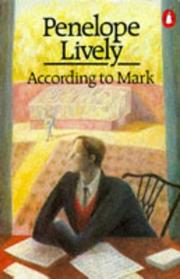
A biographer falls in love with his subject's granddaughter. Comic, and sharp about what biography does to the truth.
The memoir
IntermediateFinish with the late non-fiction, which explains the fiction.
▸ Study plan for this stage
Pace: About a week for 234 pages. It is built as a set of sections and six objects, so one or two sections a sitting works well.
- Old age written from inside it, in her eightieth year
- Memory as her explicit subject rather than her raw material
- Six objects, and what each one is made to carry
- Her own century placed beside Claudia Hampton's
- Non-fiction that accounts directly for the fiction's obsessions
- Reading and rereading as a life's activity
- Which objects does she choose, and what does each allow her to say?
- How does her account of memory line up with what Moon Tiger does formally?
- What does she say about old age that the novels never state directly?
- Which novel on this path does the memoir illuminate most?
- Where does the memoirist disagree with the novelist?
- After each section, name the novel on this path it explains, and note the sentence that made the connection
- Reread the first two pages of Moon Tiger with the memoir's account of memory in mind
- Choose six objects of your own and write a paragraph on one using her method
Next up: Having read the adult fiction and the memoir, her children's books are now a deliberate choice rather than the accident this path was built to prevent.

Written in her eightieth year — old age, memory and six objects she has kept. The clearest account of what she has been writing about all along.
Discussion
Keep reading
Paths that share books, cover the same subject, or open a related topic.